
Property Governance Architecture in British Columbia:
By Adrian C. Spitters, CFP® and Peter J. Merrick, TEP®
This analysis is part of an ongoing series of long-form investigations published in The Merrick Spitters Reset Report™ that examine long-term developments affecting property rights, governance systems, and financial architecture.
Ownership, Governance Authority, and Financial Claims in Modern Land Systems
Abstract
This paper examines the institutional architecture of property governance in British Columbia through a three-layer analytical framework consisting of legal ownership systems, governance frameworks, and financial relationships within credit markets. By integrating legal analysis of the land title system with governance frameworks and financial institutions, the paper proposes a conceptual framework for understanding how modern property systems operate within overlapping legal, regulatory, and economic structures. While the Torrens land title system continues to define legal ownership of privately held land, contemporary land governance increasingly operates within a broader institutional environment shaped by constitutional Aboriginal rights, regulatory frameworks, and financial structures. By examining developments including the modernization of the provincial land title registry, the implementation of the Declaration on the Rights of Indigenous Peoples Act (DRIPA), and evolving Aboriginal title jurisprudence, the analysis explores how property systems function through overlapping legal and governance institutions. The paper argues that modern property systems operate not solely through ownership rights but through a layered institutional architecture in which ownership systems, governance frameworks, and financial claims interact.
Introduction
Property systems represent foundational legal and economic institutions through which land ownership, governance authority, and economic activity are organized.
In British Columbia, property ownership is defined through the Torrens land title system, under which the individual listed as the registered owner on the land title register is recognized in law as the holder of fee simple title, subject to limited statutory and constitutional exceptions.
This paper argues that property ownership in British Columbia remains legally anchored in the Torrens land title system, while governance authority and financial claims increasingly operate through layered institutional frameworks surrounding that system.
The analysis therefore proposes a three-layer institutional framework for understanding property governance in British Columbia, consisting of legal ownership systems, governance authority, and financial claims within credit markets.
While the Torrens system provides the legal foundation of property ownership, modern property systems operate within a broader institutional environment involving ownership rights, governance authority, and financial claims within credit markets. Within that environment, the land title framework interacts with evolving constitutional obligations, governance structures, and financial systems.
Key Institutional Observation
Modern property systems in British Columbia operate through three interdependent institutional layers. Legal ownership remains recorded in the land title registry through the Torrens system, establishing who holds title to property. Surrounding this ownership framework are governance systems through which municipal, provincial, federal, and Indigenous authorities regulate land use and environmental management. A third institutional layer arises from financial systems in which land functions as collateral within mortgage lending and credit markets. Understanding property governance, therefore, requires analyzing how ownership, governance authority, and financial claims interact within a single institutional architecture.
Methodological Framework
This analysis adopts an institutional approach to the study of property systems. Institutional economics examines how formal legal rules, governance structures, and economic incentives interact to shape the operation of markets and property rights over time. Rather than examining property ownership solely through legal title, this approach considers how property systems function through the interaction of multiple institutional layers.
The analysis draws on several strands of established scholarship. Institutional economic research has demonstrated how legal frameworks and governance institutions influence economic outcomes within property systems. Property rights theory has examined how ownership institutions evolve in response to changing economic conditions, while legal scholarship in property law emphasizes that ownership operates through structured legal relationships embedded within broader institutional systems.
Using this interdisciplinary perspective, the article analyzes property governance in British Columbia through a three-layer institutional framework consisting of legal ownership systems, governance authority, and financial claims within credit markets. The analysis draws upon publicly available legislation, judicial decisions, policy documents, and institutional reports to examine how these legal and governance institutions interact within British Columbia’s evolving land governance environment. The objective is not to predict specific legal outcomes in future litigation or negotiations, but to examine how the institutional architecture of property governance currently operates and how evolving legal and policy developments may influence that structure over time.
Conceptual Framework: Ownership, Governance, and Finance
Institutional analysis of property systems suggests that assets such as land operate within layered governance structures rather than through ownership relationships alone.
This perspective reflects the broader field of institutional economics, particularly the work of Douglass C. North, who emphasized that economic assets function within systems of formal rules, governance arrangements, and market institutions rather than through legal ownership alone. This approach also builds upon the earlier property-rights literature developed by Ronald Coase and Harold Demsetz, which examined how legal institutions and transaction costs influence the allocation, stability, and evolution of property rights within economic systems. Property rights establish the legal basis for control over assets, but the practical use and economic value of those assets are shaped by the interaction between legal institutions, regulatory governance, and financial markets.
Modern property systems therefore operate through three interdependent institutional layers: legal ownership recorded in the land title registry, governance frameworks that regulate land use and resource management, and financial claims within credit markets that allow land to function as collateral within the broader financial system.
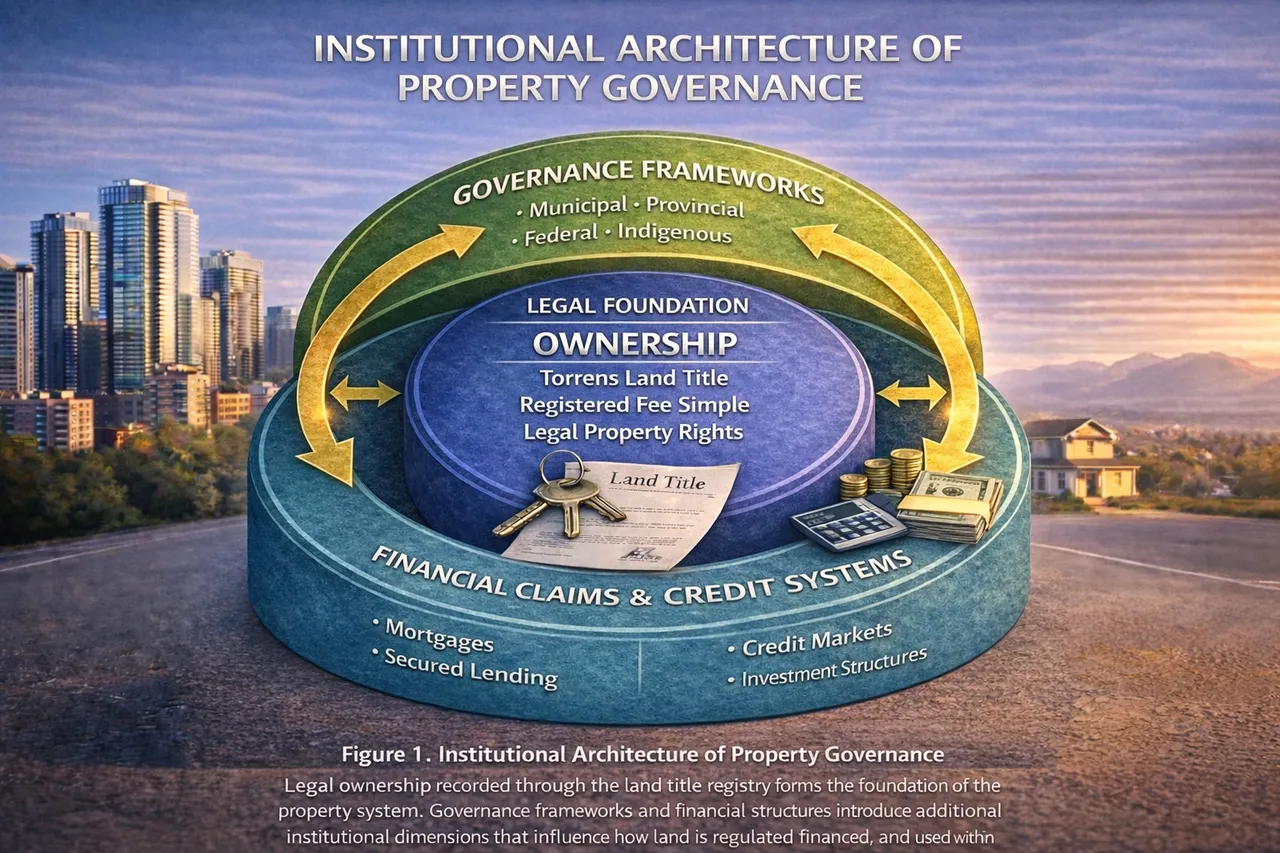
Figure 1. Institutional Architecture of Property Governance
The figure illustrates this institutional architecture visually: ownership forms the legal foundation of the system, while governance frameworks and financial credit systems operate as surrounding institutional environments that interact with one another and influence how property functions in practice.
Ownership recorded in the land title registry forms the legal foundation of the property system. Surrounding this foundation are governance frameworks and financial claims within credit markets that influence how land is regulated, financed, and used. At the centre of the system is the ownership framework recorded in the land title registry. Under the Torrens land title system, the registry records legal interests in land and determines who holds title to property. Registered ownership establishes the legal foundation upon which property rights, transfers, and financing arrangements depend.
Surrounding this ownership foundation are governance frameworks through which governments and other authorities regulate land use, environmental stewardship, infrastructure planning, and development activity. Municipal, provincial, federal, and Indigenous governments each exercise authority within their respective jurisdictions, shaping the regulatory environment in which landowners operate. These governance systems influence how land may be developed, used, and transferred while leaving legal ownership with the registered title holder. These frameworks operate within existing legal structures and do not displace the underlying system of registered ownership established through the land title registry.
A second institutional system surrounding the ownership foundation consists of financial claims and credit systems. Mortgage lending, secured credit, and other investment structures allow land to function as collateral within credit markets. These financial arrangements create enforceable claims against property while leaving legal ownership with the borrower whose name appears on the land title registry. These claims are contractual in nature and do not affect legal ownership unless enforcement mechanisms, such as foreclosure or court-ordered remedies, are triggered under the terms of the lending agreement.
Governance frameworks and financial claims within credit markets also interact with one another. Regulatory policies can influence lending standards, development approvals, and land valuation, while financial markets can shape patterns of land development, infrastructure investment, and land use decisions. Together, ownership, governance frameworks, and financial claims form an institutional architecture within which property operates.
Recent public policy discussions have also examined how unresolved title claims or evolving governance arrangements could affect mortgage lending, insurance underwriting, and financing decisions for properties located within areas subject to active negotiations or litigation.
These discussions reflect the importance of title certainty within credit markets. Mortgage lending systems rely heavily on the legal reliability of the land title registry when property is used as collateral for secured loans. Where litigation or negotiations create uncertainty regarding land governance or title claims, financial institutions may face additional risk when evaluating lending decisions. In such circumstances, governments may consider mechanisms such as loan guarantees, negotiated settlements, or other policy responses designed to maintain financial stability within affected property markets
This analysis is part of an ongoing series of long-form investigations published in The Merrick Spitters Reset Report™ that examine long-term developments affecting property rights, governance systems, and financial architecture.
Institutional Context for the Analysis
The purpose of this analysis is to examine how several institutional developments affecting land governance in British Columbia interact within the province’s broader property system. This analysis does not suggest that private property ownership has disappeared in British Columbia. Rather, it examines how governance authority affecting land is increasingly exercised through multiple institutional frameworks.
The analysis therefore focuses on how governance and regulatory institutions interact with property ownership, not on the elimination or replacement of the land title system that continues to define legal ownership of privately held land in British Columbia.
It is important to emphasize that the land title system administered under the Land Title Act continues to define legal ownership of privately held land in British Columbia. Nothing in this analysis suggests that the Torrens land title system has been replaced or that registered property ownership has been eliminated. Private property ownership recorded through the provincial land title registry remains the legal foundation of British Columbia’s property framework. The purpose of this analysis is therefore not to challenge that system, but to examine how evolving governance structures, constitutional obligations, and financial systems interact with the land title framework within the province’s broader institutional environment.
These developments include the modernization of the provincial land title registry, the implementation of the Declaration on the Rights of Indigenous Peoples Act (DRIPA), evolving jurisprudence concerning Aboriginal title under Section 35 of the Constitution Act, and the growing integration of property into financial systems through mortgage lending and secured credit structures.
Section 35 of the Constitution Act, 1982 recognizes and affirms existing Aboriginal and treaty rights, providing the constitutional framework within which modern Aboriginal title jurisprudence has developed.
Examining these developments together provides a framework for understanding how property ownership, governance authority, and financial claims operate collectively within British Columbia’s evolving land governance environment.
Canada has long operated within a legal environment where multiple legal traditions and jurisdictions interact. Provincial property law, federal constitutional law, and Indigenous legal traditions can all influence how land governance evolves. Courts, legislatures, and regulators are often required to interpret how these systems interact when questions of land, resources, and authority arise.
Understanding how these systems interact requires recognizing the hierarchy of legal authority within Canada’s constitutional framework. At the highest level stands the Constitution of Canada, including Section 35 of the Constitution Act, 1982, which recognizes and affirms Aboriginal and treaty rights. Federal and provincial legislation operate within this constitutional framework and establish the statutory rules governing property, land administration, and resource management. Beneath these legislative authorities operate regulatory systems, negotiated agreements, and administrative institutions that implement governance decisions in practice. Modern property governance therefore functions within a layered legal hierarchy in which constitutional rights, statutory legislation, and administrative governance systems must operate together.
The historical context of British Columbia is also important when examining these developments. Unlike many other regions of Canada where treaties were negotiated between Indigenous nations and the Crown prior to large-scale settlement, much of British Columbia was settled without comprehensive treaty agreements. As a result, questions regarding Aboriginal title have remained legally unresolved across significant portions of the province. This historical circumstance has contributed to the prominent role that courts, negotiations, and governance agreements now play in addressing Indigenous land rights within British Columbia’s property system.
Consequently, the evolution of property governance in British Columbia must be understood within a legal environment in which constitutional Aboriginal title, provincial land title legislation, and negotiated governance agreements all interact simultaneously.
At the same time, land governance in the province involves a broader institutional environment that extends beyond the land title registry itself. Municipal planning systems regulate zoning and development. Provincial legislation governs environmental protection, infrastructure planning, and land use frameworks. Federal legislation may influence fisheries, navigable waters, and environmental assessments. Indigenous governance frameworks are increasingly participating in land management discussions through constitutional recognition of Aboriginal rights and the implementation of the Declaration on the Rights of Indigenous Peoples Act.
Several developments affecting property governance are occurring simultaneously in British Columbia. These include the modernization of the provincial land title system through digital registry infrastructure, the implementation of DRIPA, the introduction of beneficial ownership transparency requirements through the Land Owner Transparency Registry, and emerging governance discussions involving Indigenous nations within the Vancouver region.
Understanding these developments requires examining property governance not simply as a relationship between an owner and a parcel of land, but as a system operating through multiple institutional layers within which ownership rights, governance authority, and financial claims interact.
The following executive summary outlines the principal structural observations arising from this analysis of British Columbia’s property governance framework, including the land title system, constitutional Indigenous rights, and the institutional evolution of land governance.
This analysis draws upon publicly available legal sources, institutional reports, judicial decisions, and policy frameworks relating to land governance in British Columbia. Particular attention is given to the Land Title and Survey Authority Business Plan, constitutional jurisprudence concerning Aboriginal title, provincial legislation, and governance agreements involving Indigenous nations. The objective is not to advocate a particular policy outcome but to examine how these institutional components interact within the province’s evolving property governance system.
Executive Summary
The following summary outlines the principal structural observations arising from this analysis of property governance in British Columbia. While the province’s property system remains formally anchored in the Torrens land title model, modern land governance increasingly operates through multiple institutional layers. Legal ownership recorded in the land title registry represents one dimension of the system, while governance frameworks and financial claims within credit markets introduce additional institutional layers that influence how land is managed, regulated, and used within the broader legal and economic environment.
Property Ownership Framework:
- British Columbia’s property system remains anchored in the Torrens land title model, where legal ownership is determined through registration in the provincial land title registry. The registered owner listed on title is legally recognized as the holder of fee simple ownership.
- The Land Title and Survey Authority (LTSA) functions as the central institutional infrastructure supporting the province’s land title system. Its mandate is administrative, ensuring the legal reliability of title registration, survey records, and property ownership documentation across the province.
- Although property owners hold legal title through the land registry, ownership under Canadian law has never represented absolute control over land. Property owners operate within a framework of regulatory constraints that shape how land may be used, developed, or modified.
Governance Frameworks:
- Municipal governments regulate land use through zoning bylaws, development permits, density limits, and planning regulations.
- Provincial authorities impose environmental protections, infrastructure planning rules, agricultural land reserve restrictions, and other regulatory frameworks that influence land use decisions.
- Federal legislation can also affect land use in specific circumstances, particularly in areas involving fisheries protection, navigable waterways, environmental assessment processes, and national infrastructure considerations.
- The United Nations Declaration on the Rights of Indigenous Peoples (UNDRIP) establishes international principles recognizing the rights of Indigenous peoples to participate in decisions affecting lands and resources within their traditional territories.
- Article 26 of UNDRIP affirms that Indigenous peoples have rights to the lands, territories, and resources which they have traditionally owned, occupied, or otherwise used or acquired. The interpretation and implementation of these principles within Canada occurs through domestic legal frameworks, including constitutional law, legislation, negotiated agreements, and judicial decisions.
- British Columbia enacted the Declaration on the Rights of Indigenous Peoples Act (DRIPA) in 2019, establishing a framework for aligning provincial laws with the principles of UNDRIP.
- DRIPA establishes mechanisms through which the provincial government may negotiate agreements with Indigenous governments involving shared decision-making, consultation processes, and collaborative governance related to land and resource management.
- Canadian constitutional law recognizes Aboriginal rights and Aboriginal title under Section 35 of the Constitution Act, 1982. These rights are constitutionally protected, meaning that government actions affecting them must satisfy constitutional justification requirements established by the courts.
- Supreme Court of Canada decisions, including the Tsilhqot’in Nation ruling, have confirmed that Aboriginal title can include authority over land use and resource management within recognized title areas. These rulings have shaped how governments must approach land decisions in territories where Indigenous title claims exist.
- In many regions of British Columbia where Aboriginal title has not yet been formally adjudicated, governments increasingly rely on negotiated governance agreements and consultation protocols with Indigenous nations when land use decisions may affect traditional territories.
- Recent federal agreements involving the Musqueam Nation illustrate how negotiated arrangements between governments and Indigenous nations may address questions relating to Aboriginal rights and title within the broader constitutional framework. Public discussion surrounding these agreements has highlighted how negotiated governance frameworks are increasingly used alongside judicial decisions when governments seek to address unresolved Indigenous land rights questions.
- These governance agreements typically do not alter the registered ownership of privately held land. However, they may introduce additional planning processes, environmental stewardship frameworks, or consultation mechanisms that influence how land development decisions are made.
- Modern land governance discussions increasingly emphasize the concept of stewardship. Policy frameworks across environmental planning, resource management, and land use regulation increasingly focus on long-term sustainability, ecosystem protection, and intergenerational land management.
- As a result, property ownership increasingly functions within a layered governance system where landowners retain legal title but operate within regulatory frameworks shaped by municipal, provincial, federal, and Indigenous governance processes.
Financial Claims and Credit Systems:
- Financial systems introduce another structural layer through the collateralization of real estate. Mortgage lending and secured credit arrangements allow financial institutions to hold enforceable claims against property when loans are issued with land pledged as collateral.
- This introduces the legal distinction between legal ownership and beneficial ownership. The registered property owner typically retains the beneficial use of the property while secured lenders hold priority claims that may be enforced if loan obligations are not fulfilled.
- Transparency initiatives such as the British Columbia Land Owner Transparency Registry illustrate the growing focus on identifying the individuals who ultimately benefit from property ownership when land is held through corporations, partnerships, or trust structures.
- Taken together, modern property systems operate through three interdependent institutional systems: legal ownership recorded through the land title registry, governance frameworks that regulate land use, and financial claims within credit markets that allow property to function as collateral.
- Property owners retain legal title and economic interest in their land while operating within a governance environment shaped by multiple regulatory institutions.
- The long-term trajectory of property governance in British Columbia will likely be shaped by the interaction between land title law, Indigenous governance agreements, environmental policy frameworks, financial system structures, and evolving court decisions.
The central observation of this analysis is that modern property systems operate through multiple institutional systems rather than through ownership alone. Legal ownership recorded in the land title registry determines who holds title to land, governance frameworks establish the regulatory conditions under which land may be used or developed, and financial claims within credit markets allow the economic value of land to participate within broader credit and capital markets. Together, these layers form the institutional architecture through which property systems function in modern economies.
Understanding these institutional relationships is particularly important in jurisdictions such as British Columbia where several legal and governance developments are occurring simultaneously. Constitutional recognition of Aboriginal title, legislative initiatives such as the Declaration on the Rights of Indigenous Peoples Act, evolving land governance agreements, and the increasing integration of land into modern financial systems all interact within the same property framework. When these developments occur concurrently, the practical functioning of property systems depends not only on legal ownership recorded in the land title registry but also on how governance frameworks and financial institutions interpret and respond to evolving legal conditions. For property owners, lenders, developers, and policymakers, maintaining clarity regarding these institutional relationships is essential for preserving confidence in land markets, mortgage lending systems, and long-term economic planning.
Property ownership in British Columbia, therefore, remains legally anchored in the Torrens land title system, while the governance frameworks and financial claims within credit markets surrounding land continue to evolve within a broader institutional environment shaped by constitutional law, regulatory frameworks, and financial systems.
Institutional research in economics and governance has long emphasized that property rights operate within broader institutional systems that structure how assets are governed, regulated, and financed within modern economies.
The Convergence of Ownership, Governance, and Financial Claims
When the various layers of the modern property system are examined together, it becomes clear that land ownership in British Columbia operates within a complex architecture of legal rights, governance frameworks, and financial claims within credit markets. Each of these layers performs a different function within the broader system, yet they interact continuously in ways that shape how property is used, regulated, and financed.
The first layer is the legal ownership structure defined by the land title registry. Under the Torrens system, the individual or entity registered on title is recognized as the legal owner of the property. This system provides certainty of ownership and allows property to be transferred, financed, or inherited through clearly defined legal processes.
The second layer consists of governance frameworks that regulate how land may be used. Municipal zoning bylaws determine permitted land uses within local jurisdictions. Provincial legislation governs environmental protection, infrastructure planning, and resource management. Federal legislation may influence issues such as fisheries protection, navigable waters, and environmental assessments.
These governance frameworks do not replace ownership rights but establish the conditions under which land may be developed or used. A property owner retains legal title, yet land use decisions must comply with the regulatory structures created by governments.
The third layer involves financial relationships connected to property ownership. Mortgage lending, investment structures, and secured credit agreements often place financial claims against real estate assets. These financial claims typically remain inactive as long as contractual obligations are fulfilled, but they establish priority rights that become relevant if those obligations are not met.
Each of these institutional systems—ownership, governance frameworks, and financial claims within credit markets—operates through its own legal framework while interacting with the others to shape how property functions in practice.
Ownership determines who holds title and who receives the economic benefits associated with land. Governance determines the rules under which land may be used or developed. Finance determines how land can be leveraged as collateral within credit markets.
Institutional Implications for Long-Term Land Ownership
Understanding how ownership systems, governance frameworks, and financial claims interact has implications not only for policymakers and legal scholars but also for families and enterprises whose wealth is tied to land.
In British Columbia, many agricultural enterprises, family businesses, and land-based investment structures hold assets intended to remain within families across multiple generations. For these landowners, the long-term security of property depends not only on the legal ownership recorded in the land title registry but also on the governance frameworks and financial systems that shape how land may be used, financed, and transferred.
These structural relationships raise practical strategic questions for enterprise landowners whose wealth is concentrated in land assets. While this research paper examines the institutional architecture through which property systems operate, the practical implications of that architecture require a different analytical lens. A companion analysis titled The Five Pillars of Multigenerational Land Security™ translates this institutional framework into a practical model designed to help enterprise landowners evaluate how ownership structures, governance frameworks, financial exposure, succession planning, and jurisdictional developments may influence the long-term stability of land ownership across generations.
From a strategic perspective, long-term land stewardship therefore involves managing several interconnected dimensions of property governance. These dimensions include the legal structures through which land is owned, the governance frameworks that influence land use decisions, the financial arrangements tied to the property, the succession structures governing intergenerational transfer, and the broader jurisdictional environment in which property systems operate.
The interaction between these dimensions suggests that multigenerational land ownership operates within a broader institutional environment that extends beyond legal title alone. A more detailed examination of these structural considerations is developed in a companion analysis examining the five institutional pillars influencing long-term land stewardship within family enterprises.
When these layers function smoothly, property ownership appears straightforward to most individuals. A homeowner purchases property, registers title through the land title office, obtains financing from a lender, and complies with zoning and regulatory requirements governing land use.
However, the interaction between these layers can become more complex as governance frameworks evolve and financial systems become more interconnected. Land use planning may incorporate environmental protections, infrastructure planning requirements, and cultural heritage considerations. Financial institutions may structure lending arrangements that treat real estate as part of broader collateral networks within credit markets.
These developments illustrate that property systems operate within a broader institutional environment rather than as isolated legal constructs. Ownership remains the core legal foundation of the system, but governance and financial structures influence how ownership functions in practice.
In British Columbia, the addition of Indigenous governance frameworks introduces another participant into this institutional landscape. Indigenous nations may participate in land governance through consultation processes, negotiated agreements, or collaborative environmental stewardship arrangements within traditional territories.
These frameworks may influence planning decisions, environmental protections, and cultural heritage considerations without necessarily altering the legal title system itself. The registered owner remains the legal holder of title under the Torrens system, while governance processes may incorporate input from multiple institutions.
Understanding this convergence of ownership, governance, and finance provides a clearer perspective on how property systems operate in modern economies. Property rights exist within an institutional structure that balances private ownership with regulatory oversight and financial relationships.
The implications of this structure depend largely on how these layers interact over time. Legal title remains the anchor of property ownership, but governance frameworks and financial systems continue to shape the environment in which property owners operate.
The following section examines how these structural relationships may influence the long-term evolution of property governance in British Columbia and what considerations may become increasingly relevant for property owners in the years ahead.
Land Title and Survey Authority (LTSA) Business Plan 2022–2025 Analysis
This analysis is based in part on the Land Title and Survey Authority (LTSA) Business Plan 2022–2025. The LTSA business plan outlines the strategic direction, modernization initiatives, and administrative priorities guiding the province’s land title infrastructure.
Reviewing the original business plan alongside this analysis provides useful context for understanding how the administrative modernization of the land title system intersects with broader governance, regulatory, and financial frameworks affecting property ownership in British Columbia.
The Role of the Land Title and Survey Authority
The Land Title and Survey Authority of British Columbia occupies a central position within the province’s property governance system. Although it is often perceived simply as an administrative registry, the LTSA performs a foundational function that underpins the entire structure of private land ownership in the province. Every parcel of privately held land in British Columbia ultimately derives its legal certainty from the records maintained within the LTSA’s land title registry.
The authority administers what is known as the Torrens system of land registration, a system designed to provide a clear and reliable record of property ownership. Under the Torrens framework, ownership of land is determined by registration in the land title office rather than by historical chains of deeds. The person or entity listed on the title register is recognized as the legal owner of the property, and the system provides a government-backed guarantee of title through the doctrine of indefeasibility. The Torrens system, originally developed in the nineteenth century and later adopted in British Columbia, was designed to eliminate uncertainty surrounding land ownership and to ensure that property transactions could occur efficiently and securely.
Because the land title registry establishes the legal foundation of ownership, it functions as more than a database of property records. It is the institutional mechanism through which the province recognizes and protects ownership rights. When land is bought, sold, subdivided, mortgaged, or transferred through inheritance, those changes are recorded through the LTSA system. The registry therefore serves as the authoritative record that determines who holds title to a specific parcel of land at any given time.
In recent years, the LTSA has undertaken a comprehensive modernization program designed to transform the land title registry into a fully digital land information platform. This modernization effort is outlined in the LTSA’s strategic and business planning documents and represents one of the most significant administrative changes to the property system since the introduction of the Torrens framework itself.
A key component of this modernization is the development of ParcelMap BC. ParcelMap BC is a province-wide digital mapping system that connects legal land descriptions with precise geographic boundaries. Historically, land titles were recorded primarily through written legal descriptions that referred to survey plans and textual boundary references. ParcelMap BC overlays those descriptions onto a geographic information system, allowing each parcel of land to be mapped with spatial accuracy.
This mapping system provides a unified digital representation of every parcel of titled land in British Columbia. By linking legal ownership records to geographic coordinates, ParcelMap BC allows land parcels to be identified and analyzed in ways that were previously difficult using traditional paper-based records.
Another important component of the modernization program is the integration of registry data with other public information systems. As land information becomes digitized, it becomes possible for multiple public authorities to access property data in ways that were not feasible under earlier administrative models. Municipal governments, provincial agencies, planning authorities, and regulatory bodies can potentially access information about ownership, parcel boundaries, and land classifications through integrated digital systems.
The modernization initiative also includes the introduction of the Land Owner Transparency Registry, which operates alongside the traditional land title registry. While the land title registry records the legal owner of a property, the transparency registry seeks to identify the individuals who ultimately control property assets held through corporations, trusts, or partnerships.
The combination of these systems creates a significantly more detailed administrative framework for understanding how land is owned and controlled within the province. Instead of relying solely on legal title records, authorities can now examine ownership structures, beneficial interests, and geographic parcel information within a single integrated environment.
This development does not change the fundamental principle that the registered owner holds legal title to property. However, it does expand the informational framework through which land ownership can be analyzed and understood.
In practical terms, the modernization of the land title system transforms the registry from a passive record-keeping institution into an active infrastructure that supports complex governance and regulatory systems. This capability remains administrative and informational in nature and does not grant decision-making authority over land use or ownership rights. Because every parcel of land is connected to a digital identity within ParcelMap BC, it becomes possible to associate a wide range of information with that parcel.
Ownership records, regulatory classifications, environmental restrictions, zoning designations, and other governance frameworks can all be linked to the same geographic parcel. The result is a system that allows multiple layers of information to be associated with each piece of land.
From a governance perspective, this digital infrastructure provides the technical capacity to manage increasingly complex land governance systems. If additional authorities or regulatory frameworks influence land use decisions, those relationships can be recorded and administered through the same underlying parcel identification system.
For property owners, the modernization of the LTSA system therefore represents more than an administrative upgrade. It establishes the informational architecture through which the province records ownership rights, governance frameworks, and regulatory relationships associated with land.
The registry continues to guarantee legal ownership under the Torrens system. At the same time, the digital transformation of the registry allows land governance systems to evolve in ways that incorporate multiple forms of information connected to each parcel of land.
Understanding the role of the Land Title and Survey Authority is therefore essential for analyzing how property governance may evolve in British Columbia. The LTSA provides the administrative foundation upon which all other land governance systems ultimately depend.
Beneficial Ownership and Property Control
Understanding beneficial ownership helps clarify how modern property governance systems function. While the land title registry records the legal owner of property, beneficial ownership identifies the individual or individuals who ultimately control or benefit from that property, even when the legal title is held by another entity.
In traditional property law, the legal owner is the person or entity whose name appears on the title register maintained by the land title office. This individual or entity holds the formal legal rights associated with ownership, including the right to transfer the property, mortgage it, or otherwise deal with it as an asset. Legal ownership is therefore the foundation upon which property transactions are built.
Beneficial ownership, however, refers to a different layer of the ownership structure. A beneficial owner is the person who ultimately enjoys the economic benefits of the property or exercises control over the entity that holds title. In many cases the beneficial owner and the legal owner are the same individual. For example, a homeowner who holds title to their residence in their own name is both the legal owner and the beneficial owner.
In more complex ownership arrangements, however, these two roles can diverge. Property may be held in the name of a corporation, a partnership, or a trust. In such cases the entity listed on the land title register is the legal owner, while the individuals who control that entity or receive its financial benefits are the beneficial owners.
This separation between legal and beneficial ownership is common in modern property systems. Corporations may hold land for business operations, real estate development projects, or investment purposes. Family trusts may hold land for estate planning and succession purposes. Partnerships may hold land jointly for agricultural, commercial, or investment ventures.
At the same time, the existence of these structures can make it difficult to determine who ultimately controls or benefits from a particular property asset. When property is held through a corporate entity, the land title registry identifies the corporation as the legal owner. However, the registry does not necessarily reveal the individuals who control the corporation.
This informational gap is the issue that beneficial ownership transparency regimes seek to address. The Land Owner Transparency Registry introduced in British Columbia was designed to identify the individuals who ultimately control or benefit from property assets held through intermediary legal entities.
Under this framework, corporations, partnerships, and trusts that hold property must disclose information about the individuals who exercise control over those entities. These individuals are recorded in the transparency registry as beneficial owners or controlling individuals.
The stated objective of the registry is to increase transparency within the property system and to allow regulators, law enforcement agencies, and public authorities to identify the individuals who ultimately control land assets. The registry operates alongside the traditional land title system rather than replacing it.
The legal owner recorded in the land title registry continues to hold title to the property under the Torrens system. The transparency registry simply provides additional information about the individuals who stand behind that legal owner.
The introduction of beneficial ownership transparency does not alter the legal rights associated with ownership. The registered owner continues to possess the rights associated with title under the land title system. However, the registry introduces a new layer of information that reveals the economic and control relationships associated with the property.
From an administrative perspective, this additional layer of information allows authorities to analyze ownership structures in greater detail. Land assets can now be examined not only in terms of legal title but also in terms of the individuals who ultimately control those assets.
The distinction between legal ownership and beneficial ownership is therefore an informational distinction rather than a change in ownership rights. It provides a clearer understanding of who controls property assets without altering the fundamental legal structure through which those assets are owned.
At the same time, the existence of this additional layer of information contributes to the broader evolution of land governance systems. As land registry systems become more digitally integrated and more transparent, it becomes possible to associate a wider range of information with each parcel of land.
Ownership structures, beneficial interests, regulatory classifications, and governance frameworks can all be linked to the same parcel through modern registry systems. This does not diminish the rights of the registered owner, but it does expand the informational environment within which property ownership operates.
Understanding beneficial ownership is therefore an important step in analyzing how modern property systems function. It reveals how ownership structures can become layered and how legal systems seek to identify the individuals who ultimately control property assets within those structures.
In the sections that follow, this concept of layered ownership will be examined further by considering how priority rights, collateral interests, and governance authorities interact with the concept of ownership within modern property systems.
Financial Custody Systems as a Comparative Framework
The layered nature of ownership rights becomes even more complex when assets are integrated into modern financial systems. While land ownership operates within the framework of property law and land title registries, financial assets such as stocks, bonds, and derivatives are governed by custody systems that involve multiple institutional intermediaries. Examining these systems helps illustrate how ownership structures can evolve when assets are embedded within large institutional frameworks.
In traditional financial markets, investors often assume that purchasing a security such as a stock or bond gives them direct ownership of that asset. In practice, however, the legal structure of modern securities markets is far more complex. Most securities are not held directly by the investor in physical or individually registered form. Instead, they are held through a chain of intermediaries that manage custody and settlement functions within the financial system.
These intermediaries typically include brokerage firms, clearing houses, and central securities depositories responsible for custody, settlement, and record-keeping within the financial system.
However, the existence of these custody chains introduces additional layers into the ownership structure of financial assets. Instead of a direct relationship between an investor and an asset, there is a chain of legal and contractual relationships linking the investor to the institution that holds legal title.
Commentators examining modern financial custody systems have noted that complex institutional structures can sometimes separate legal title from beneficial ownership in securities markets. For example, David Rogers Webb has argued that modern securities custody systems involve layered institutional arrangements that may affect priority claims in situations of financial distress.
Such interpretations remain debated among financial and legal scholars and should be understood as one perspective within a broader discussion of securities custody frameworks.
It is important to emphasize that land ownership in British Columbia operates under a different legal framework. The Torrens land title system records ownership directly in the name of the registered owner and provides strong legal certainty through the doctrine of indefeasibility. Unlike securities custody systems, land ownership is not normally mediated through chains of institutional intermediaries.
The Torrens Land Title System
The structure of property ownership in British Columbia is grounded in the Torrens system of land registration. Understanding how this system operates is essential for evaluating any discussion about the evolution of property governance in the province. The Torrens system provides the legal architecture that defines how ownership rights are recognized, transferred, and protected.
Under the Torrens framework, ownership of land is determined by registration in the land title office. The ownership interest typically recorded is fee simple title, which represents the most complete form of private property ownership recognized under Canadian common law. The individual or entity whose name appears on the land title register is recognized as the legal owner of the property. This registration establishes a clear and authoritative record of ownership that is guaranteed by the state.
The purpose of the Torrens system is to provide certainty of title. Prior to the introduction of this system, property ownership was often determined through chains of historical deeds. Establishing ownership required tracing the history of property transfers through multiple documents that might span decades or centuries.
This process could be time-consuming and prone to uncertainty, particularly when records were incomplete or disputed.
The Torrens system was originally developed in the nineteenth century to address these challenges by creating a centralized registry in which ownership would be determined by the official land title record rather than by historical chains of deeds. The system was designed to provide legal certainty, reduce disputes over ownership, and enable land to function reliably as collateral within financial markets. By allowing buyers and lenders to rely on the accuracy of the land title register, the Torrens framework helped establish the stability necessary for modern property markets and mortgage lending systems to operate efficiently.
Under the Torrens system, ownership is determined by the current entry in the land title register. When a property is transferred, the registry is updated to reflect the new owner. The register, therefore, represents the definitive statement of who holds title to the land.
One of the most important features of the Torrens system is the concept of indefeasibility of title. Indefeasibility generally means that once ownership is registered in the land title registry, the registered owner’s title is presumed secure against most prior unregistered interests, subject to limited statutory and constitutional exceptions. The purpose of this doctrine is to ensure certainty in land transactions by allowing purchasers and lenders to rely on the accuracy of the land title register.
These statutory and constitutional exceptions illustrate how property systems operate within broader legal frameworks. While the Torrens system provides strong protection for registered ownership, courts may still be required to reconcile that protection with other constitutional rights recognized within Canadian law, including Aboriginal rights affirmed under Section 35 of the Constitution Act, 1982.
Recent litigation in British Columbia has raised questions regarding how the doctrine of indefeasible title under the Land Title Act interacts with constitutionally protected Aboriginal title. In litigation involving the Cowichan Tribes raising Aboriginal title claims affecting lands known as the Cowichan Title Lands that had previously been granted in fee simple by the Crown, the Court considered arguments regarding whether the Land Title Act could shield registered fee simple interests from Aboriginal title claims. The defendants argued that once land had been granted in fee simple and registered under the Land Title Act, the doctrine of indefeasibility should protect those interests from later claims.
In examining these arguments, the Court considered how the provincial land title framework interacts with constitutionally protected Aboriginal title claims. Canadian courts have consistently recognized that Aboriginal title arises from the prior occupation of Indigenous nations and is recognized and affirmed under Section 35 of the Constitution Act, 1982. While the land title system provides legal certainty regarding registered ownership under provincial law, courts must interpret provincial legislation in a manner consistent with constitutional protections. When Aboriginal title claims intersect with lands granted in fee simple by the Crown, courts therefore examine how these legal frameworks can be reconciled within Canada’s constitutional order. The legal consequences of such claims must ultimately be determined by the courts in the specific circumstances of each case.
The Court also noted that legislation must be interpreted in a manner consistent with constitutional protections, including Aboriginal and treaty rights recognized under Section 35 of the Constitution Act, 1982. Legal commentary has further observed that interpretations of provincial legislation may increasingly be considered alongside British Columbia’s legislative commitment to align provincial laws with the principles of the United Nations Declaration on the Rights of Indigenous Peoples through the Declaration on the Rights of Indigenous Peoples Act (DRIPA).
The case addressed specific lands and parties before the court, but the reasoning illustrates how constitutional Aboriginal title claims may interact with provincial land title legislation in certain circumstances.
In addressing the dispute before it, the Court examined whether historical Crown grants of fee simple interests had been issued in circumstances that unjustifiably infringed Aboriginal title and whether the Land Title Act could shield registered interests from such claims. While the decision concerned specific lands and parties, it highlights the complex legal task courts may face when reconciling constitutionally protected Aboriginal title with long-standing provincial property systems.
This illustrates how courts may be required to reconcile different legal interests when constitutional Aboriginal rights and long-standing property systems intersect. While the decision did not invalidate existing private land titles generally or order the removal of private landowners, the Court examined arguments regarding whether the Land Title Act could shield registered fee simple interests from Aboriginal title claims. The case illustrates the legal challenges courts may face when reconciling constitutionally protected Aboriginal title with provincial land title systems.
Canadian courts have consistently emphasized that reconciliation must consider the stability of existing property systems and the reliance interests of individuals who acquired land through the established land title registry.
This principle provides a high level of security for property owners. Buyers and lenders can rely on the land title register as the authoritative record of ownership without needing to investigate the entire historical chain of title. The certainty created by this system is a key reason why land markets can function efficiently.
The Torrens system also establishes how other interests in land are recorded and prioritized. When a lender provides financing for a property purchase, the lender typically registers a mortgage against the title. This mortgage does not transfer ownership to the lender. Instead, it creates a security interest that allows the lender to enforce the collateral if the borrower fails to repay the loan.
Similarly, easements, covenants, and other legal interests may be registered against the title to reflect rights or restrictions associated with the property. These interests become part of the official record and define the legal relationships connected to the land.
The registry therefore serves not only as a record of ownership but also as a record of the various rights and obligations attached to the property. By examining the title record, one can determine who owns the property and what other interests affect it.
It is important to recognize that the Torrens system does not operate in isolation from the broader legal environment. While the registry establishes ownership rights, governments retain authority to regulate how land may be used. Zoning regulations, environmental protections, building codes, and infrastructure planning all influence the practical use of land.
These regulatory frameworks do not change the ownership recorded in the registry. The registered owner continues to hold title to the property. However, the owner must comply with the rules established by these governance systems.
This relationship between ownership and regulation reflects a long-standing principle within property law. Ownership grants rights to possess and use land, but those rights operate within a framework established by public law. Governments may regulate land use to protect public interests such as environmental protection, public safety, and community planning.
Within this framework, the Torrens system continues to provide the legal foundation of property ownership. The registry defines who holds title to the land and establishes the hierarchy of interests recorded against that title.
Understanding this system is essential when considering how property governance might evolve. Any discussion about the future of property rights must begin with the recognition that the Torrens system remains the central legal mechanism through which ownership is recognized and protected in British Columbia.
At the same time, the operation of the Torrens system within a broader governance environment means that ownership rights can coexist with regulatory frameworks and governance authorities that influence how land is used.
In the sections that follow, the analysis examines how additional governance frameworks—particularly those related to Indigenous rights and land governance—interact with the property system established by the Torrens framework.
UNDRIP and the Declaration on the Rights of Indigenous Peoples Act
The next layer influencing the governance of land in British Columbia arises from the implementation of the United Nations Declaration on the Rights of Indigenous Peoples. The declaration, commonly referred to as UNDRIP, is an international framework adopted by the United Nations in 2007 that sets out principles related to the rights of Indigenous peoples around the world. These principles address issues such as cultural preservation, self-determination, governance authority, and relationships to traditional lands and natural resources.
While UNDRIP itself is an international declaration rather than a binding treaty, governments may choose to incorporate its principles into domestic law. British Columbia became the first jurisdiction in Canada to do so through the passage of the Declaration on the Rights of Indigenous Peoples Act in 2019. This legislation, often referred to as DRIPA, establishes a legal framework through which the province commits to aligning its laws and policies with the principles contained in UNDRIP.
The enactment of DRIPA represents a significant development in the governance of land and natural resources within the province. The act requires the provincial government to take steps toward harmonizing existing legislation with the declaration’s principles. It also creates mechanisms through which the province can enter into agreements with Indigenous governments regarding shared decision-making and governance responsibilities.
One of the central concepts within UNDRIP is the recognition that Indigenous peoples possess rights related to lands traditionally occupied or used by their communities. These rights include the ability to participate in decisions affecting those lands and resources. The declaration also emphasizes the importance of obtaining free, prior, and informed consent before undertaking certain types of development projects that may affect Indigenous territories.
Incorporating these principles into provincial law does not automatically transfer ownership of land or extinguish existing property rights. Instead, the act establishes a framework through which the province can work with Indigenous governments to develop new governance arrangements. These arrangements may involve consultation mechanisms, collaborative planning processes, or shared decision-making structures.
DRIPA operates primarily as a governance framework rather than a mechanism for transferring property ownership.
Recent litigation has begun to clarify how courts may interpret the legal status of the Declaration on the Rights of Indigenous Peoples Act within British Columbia’s statutory and constitutional framework. In Gitxaala Nation v. British Columbia (Chief Gold Commissioner), the British Columbia Court of Appeal examined arguments regarding whether provincial legislation should be interpreted in a manner consistent with DRIPA and the principles contained in the United Nations Declaration on the Rights of Indigenous Peoples. The Court indicated that DRIPA forms part of the broader legislative context that may be considered when interpreting provincial statutes, while also confirming that DRIPA does not itself amend existing legislation or create independent legal obligations beyond those enacted by statute. The decision has generated significant legal and policy discussion regarding the extent to which DRIPA may influence statutory interpretation and governance decisions involving land and natural resources in the province.
Its purpose is to guide how the provincial government interacts with Indigenous governments when making decisions that affect land and resources within traditional territories.
In addition, amendments to British Columbia’s Interpretation Act in 2021 direct that provincial enactments should be interpreted, where possible, in a manner consistent with the purposes of the Declaration on the Rights of Indigenous Peoples Act. This legislative change has contributed to ongoing discussion among legal scholars regarding how international declarations incorporated through provincial legislation may influence the interpretation of domestic statutory frameworks.
The act also requires the province to develop action plans that outline specific steps for implementing the declaration. These action plans may address areas such as land use planning, environmental stewardship, natural resource management, and cultural protection.
As these frameworks develop, they may influence how certain decisions related to land use are made. In particular, they may introduce additional consultation or governance processes that involve Indigenous governments in decisions affecting land within traditional territories.
It is important to distinguish between governance authority and ownership rights when examining these developments. Ownership of land under the Torrens system remains defined by registration in the land title office. DRIPA does not alter the legal structure of the land title registry or the recognition of private property ownership within that system.
However, governance frameworks created through DRIPA may influence the regulatory environment in which land use decisions occur. If agreements are reached that establish shared decision-making processes related to environmental management, cultural protection, or resource development, these processes may affect how land can be used even though the ownership of the land remains unchanged.
This distinction is critical for understanding the interaction between property rights and governance authority. Ownership determines who holds title to the land, while governance frameworks influence how that land may be managed or developed.
In practical terms, the implementation of UNDRIP through DRIPA introduces an additional dimension to land governance in British Columbia. Alongside municipal planning authorities and provincial regulatory agencies, Indigenous governments may increasingly participate in governance processes that shape land use decisions within their traditional territories.
The implications of this governance framework depend largely on how it is implemented through legislation, negotiated agreements, and policy decisions. Some agreements may focus primarily on environmental stewardship and cultural protection, while others may involve broader planning and resource management considerations.
For property owners and policymakers, understanding DRIPA requires recognizing that it is not a single policy change but rather an evolving framework through which governance relationships between the province and Indigenous nations may develop over time.
The next section examines how these governance frameworks intersect with the constitutional recognition of Aboriginal title within Canadian law, which forms another important component of the broader legal context surrounding land governance.
Aboriginal Title and Canadian Constitutional Law
To understand how Indigenous governance frameworks interact with property systems in British Columbia, it is necessary to examine the constitutional recognition of Aboriginal title within Canadian law. While legislative frameworks such as DRIPA provide mechanisms for policy alignment and negotiated governance arrangements, the legal foundation for Indigenous land rights in Canada arises from Section 35 of the Constitution Act, 1982.
Section 35 recognizes and affirms the existing Aboriginal and treaty rights of the Indigenous peoples of Canada. This constitutional recognition places Aboriginal rights within the highest level of Canada’s legal hierarchy. Unlike ordinary legislation, constitutional rights cannot be easily altered or overridden by governments. Instead, they form part of the foundational legal structure of the country.
For clarity, Canadian constitutional law distinguishes between Aboriginal rights, which generally refer to culturally rooted practices and land-use activities such as hunting, fishing, or gathering, and Aboriginal title, which refers to a specific constitutionally recognized interest in land itself arising from the historical occupation of Indigenous nations prior to Crown sovereignty. While both are protected under Section 35 of the Constitution Act, 1982, Aboriginal title carries broader implications for land governance because it relates directly to interests in land rather than to particular activities carried out on the land.
The Canadian Charter of Rights and Freedoms does not contain an explicit constitutional guarantee of private property rights.
As a result, questions involving the interaction between private property systems and constitutionally protected Aboriginal rights are often addressed through judicial interpretation and negotiated governance frameworks rather than through explicit constitutional balancing provisions. During the constitutional negotiations leading to the adoption of the Charter in 1982, proposals to include explicit constitutional protections for private property were debated but ultimately not incorporated into the final text of the Charter. Canadian courts have increasingly been asked to interpret how constitutionally protected Aboriginal rights interact with provincial land title systems. In practice, this means that different legal authorities may operate simultaneously within the same geographic area, requiring courts and governments to determine how those interests coexist.
Over the past several decades, the Supreme Court of Canada has issued a series of decisions interpreting the meaning and scope of these constitutionally protected rights. Early jurisprudence, such as R v. Sparrow, established the constitutional framework through which governments must justify infringements of Aboriginal rights, laying the foundation for later decisions addressing Aboriginal title. Because litigation concerning Aboriginal title claims can take many years and involve significant legal costs, governments have increasingly pursued negotiated agreements with Indigenous nations as an alternative to resolving these questions exclusively through court proceedings. Framework agreements, reconciliation agreements, and incremental recognition agreements are often presented as mechanisms through which governments and Indigenous nations can address land governance issues through negotiation rather than through adversarial litigation.
These decisions have gradually clarified how Aboriginal rights and Aboriginal title interact with Canadian property systems. One of the most important early decisions in this development was the Supreme Court’s ruling in Delgamuukw v. British Columbia (1997), which confirmed that Aboriginal title exists in Canadian law as a constitutionally protected right to land that includes the right of Indigenous nations to exclusive use and occupation of their traditional territories, subject to limited circumstances in which governments may justify infringement.
The historical context of British Columbia is particularly important when examining these legal developments. Unlike many other regions of Canada where treaties were negotiated between Indigenous nations and the Crown prior to large-scale settlement, much of British Columbia was settled without comprehensive treaty agreements.
As a result, questions regarding Aboriginal title have remained legally unresolved across significant portions of the province. This historical circumstance has contributed to the prominent role that courts, negotiations, and governance agreements now play in addressing Indigenous land rights within British Columbia’s property system.
Comparable legal developments have occurred in several other Commonwealth jurisdictions that share similar colonial legal foundations. Courts in countries such as Australia and New Zealand have also recognized forms of Indigenous land rights that predate modern property systems, requiring governments to reconcile historical occupation with contemporary land title frameworks. While the legal details differ between jurisdictions, these cases illustrate how constitutional or statutory recognition of Indigenous rights can interact with long-established property systems. British Columbia therefore represents one example within a broader international discussion about how modern legal systems reconcile historical Indigenous land relationships with contemporary property governance institutions.
Aboriginal title is a specific form of Aboriginal right that relates directly to land and confers a collective right of an Indigenous nation to the exclusive use and occupation of that land, subject to inherent limits requiring that the land be preserved for future generations and to the broader constitutional framework governing Aboriginal rights. The courts have described it as a right to the land itself rather than merely a right to engage in particular activities such as hunting or fishing. Aboriginal title, therefore, represents a unique collective interest in land held by Indigenous communities based on their historical occupation and use of territory prior to European colonization.
Recent judicial decisions have emphasized that Aboriginal title is not derived from provincial land title legislation but arises independently from constitutional law. Courts have recognized that Aboriginal title arises from the historical occupation of Indigenous nations prior to the creation of modern land title systems.
Aboriginal title, therefore, exists within Canada’s constitutional framework rather than within provincial property legislation. While private land ownership is recorded and protected through provincial land title systems, Aboriginal title arises independently through Section 35 of the Constitution Act, 1982. Courts evaluating Aboriginal title claims must therefore reconcile two distinct legal frameworks: the statutory land title system administered by the province and the constitutionally protected Indigenous rights recognized under Canadian constitutional law.
Legal commentary following recent litigation has noted that this characterization raises important questions regarding how Aboriginal title interests interact with fee simple interests granted by the Crown under provincial land title legislation.
Courts may therefore be required to reconcile two distinct legal frameworks: one arising from provincial statutory land title systems and another arising from constitutionally protected Indigenous land rights.
Courts have also emphasized that situations in which Aboriginal title intersects with long-standing private property systems must be approached through the broader constitutional principle of reconciliation. When evaluating competing claims to land, courts may consider equitable principles that recognize the reliance interests of individuals who acquired property through the established land title system in good faith. These equitable considerations do not eliminate Aboriginal title, but they may influence how courts structure remedies in order to balance constitutionally protected Indigenous rights with the stability of existing property systems.
Canadian courts have also emphasized that the reconciliation of Aboriginal title with existing property systems must occur in a manner that maintains legal stability within the broader property system. In Tsilhqot’in Nation v. British Columbia, the Supreme Court of Canada noted that recognition of Aboriginal title must be addressed within a framework that considers both the constitutional rights of Indigenous peoples and the need for legal certainty within existing land governance systems. As a result, courts have frequently emphasized that the objective of Canadian Aboriginal law is reconciliation between Indigenous rights and the continued functioning of modern property and governance institutions.
Several legal commentators examining recent litigation have described Aboriginal title as a constitutional interest that may intersect with fee simple interests granted by the Crown because it arises from the prior occupation of Indigenous nations recognized under Section 35 of the Constitution Act, 1982. At the same time, Canadian courts have consistently emphasized that situations in which Aboriginal title intersects with existing private property systems must be addressed through the constitutional principle of reconciliation. This approach requires courts to consider both the constitutional protection of Indigenous rights and the stability of the existing property system. When courts evaluate cases in which Aboriginal title claims intersect with lands granted in fee simple, the legal task therefore involves reconciling these frameworks in a manner that respects constitutional rights while maintaining certainty within the broader land title system.
The Supreme Court has also clarified several characteristics of Aboriginal title. It is held collectively by an Indigenous nation rather than by individuals. This collective structure distinguishes Aboriginal title from fee simple ownership, which is normally held by individual property owners or private entities under the provincial land title system. It includes the right to decide how land is used and managed. It also includes the right to benefit economically from the land and its resources.
Another defining feature recognized in Canadian jurisprudence is that Aboriginal title is inalienable except to the Crown. This means that land held under Aboriginal title cannot be freely transferred or sold on the open market in the same manner as fee simple property. Transfers of Aboriginal title land must occur through arrangements involving the Crown, reflecting the unique constitutional status of Aboriginal title within Canadian law.
However, Aboriginal title also exists within the broader legal framework of Canadian law. Governments retain the ability to regulate land use and may, under certain circumstances, infringe Aboriginal title if they can justify that infringement under strict legal tests established by the courts.
The Supreme Court of Canada has repeatedly confirmed that these justifications may include a broad range of compelling public objectives. In decisions such as Delgamuukw v. British Columbia and Tsilhqot’in Nation v. British Columbia, the Court indicated that objectives capable of justifying infringement may include resource development, forestry, mining, infrastructure construction, hydroelectric generation, and other forms of economic development that serve the broader public interest. The constitutional framework therefore seeks to balance the protection of Aboriginal title with the continued functioning of modern economic and governance systems.
Canadian courts also distinguish between the extinguishment of Aboriginal title and the infringement of Aboriginal title. While extinguishment would permanently eliminate the underlying right, most modern cases focus instead on whether government actions unjustifiably infringed constitutionally protected title.
These tests require governments to demonstrate that the infringement serves a compelling public objective and that the government has fulfilled its duty to consult and accommodate the affected Indigenous nation. As the Supreme Court of Canada explained in Tsilhqot’in Nation v. British Columbia, 2014 SCC 44, “the Crown’s underlying title gives the government the right to encroach on Aboriginal title if it can justify this in the broader public interest.” This principle reflects the broader constitutional objective of reconciliation between Indigenous land rights and the functioning of the modern Canadian state. The legal framework therefore focuses not on eliminating existing property systems, but on reconciling constitutionally protected Indigenous rights with the stability of modern land governance institutions.
One of the most significant decisions addressing Aboriginal title is the Supreme Court of Canada’s ruling in Tsilhqot’in Nation v. British Columbia. In that decision, the Court recognized Aboriginal title over a large area of land in central British Columbia and confirmed that Aboriginal title arises from the historical occupation of Indigenous nations prior to the creation of modern provincial land title systems.
The Court held that Aboriginal title includes the right of the Indigenous nation to control how the land is used and to benefit from the economic development of that land, subject to limited circumstances in which governments may justify infringement under strict constitutional tests.
As a result, courts evaluating Aboriginal title claims may examine the historical relationship between Indigenous nations and the land when determining whether Aboriginal title has been established and how the rights associated with that title should be understood within the broader constitutional framework.
It is important to distinguish between judicial declarations of Aboriginal title and negotiated recognition of rights and title through agreements. Court decisions such as Tsilhqot’in establish legally defined title areas through judicial determination. Negotiated agreements, by contrast, may acknowledge the existence of rights and title while leaving the specific geographic scope and practical implementation of those rights to future negotiation between governments and Indigenous nations.
The decision also clarified how governments must approach land use decisions in areas where Aboriginal title has been established or where credible claims exist. Governments must consult with affected Indigenous nations and, in certain circumstances, may be required to obtain consent before authorizing activities that could affect established Aboriginal title.
Courts have also recognized that Canada’s modern property system relies heavily on the stability and predictability of the land title registry.
Questions regarding how unresolved title claims may affect lending practices, insurance, and financing for properties located within disputed areas have also been raised in public policy discussions following recent litigation.
Millions of property transactions, mortgage agreements, and commercial investments depend upon the assumption that registered title can be relied upon in good faith by purchasers, lenders, and governments. As a result, when courts evaluate disputes involving Aboriginal title and long-standing private ownership, they must consider not only the constitutional rights of Indigenous nations but also the broader institutional consequences that could arise if the reliability of the land title system were undermined.
This legal framework introduces an additional governance dimension within the property system. While the land title registry determines ownership of privately held land, constitutional recognition of Aboriginal title establishes rights that may overlap geographically with existing property systems.
The interaction between these systems can be complex. In many areas of British Columbia, Aboriginal title has not yet been formally adjudicated by the courts. Instead, land governance in these areas often involves consultation processes or negotiated agreements between governments and Indigenous nations.
Some negotiated agreements establish formal mechanisms for resolving disagreements regarding implementation. For example, agreements may include structured dispute resolution processes that begin with negotiations and may progress through mediation, arbitration, or litigation if necessary.
These arrangements do not necessarily alter the ownership of privately held land. The Torrens land title system continues to recognize the registered owner as the legal holder of title. However, governance frameworks associated with Aboriginal title may influence how land and resources within broader territories are managed.
For example, environmental protection measures, cultural heritage protections, and resource management policies may incorporate consultation or participation mechanisms involving Indigenous governments. These mechanisms can influence how certain land use decisions are made within traditional territories.
Understanding the constitutional status of Aboriginal title is therefore an important component of analyzing land governance in British Columbia. The recognition of Aboriginal title does not replace the land title system but operates alongside it within the broader legal framework governing land and resource management.
As governance frameworks evolve through court decisions, legislation, and negotiated agreements, the relationship between these systems continues to develop. The next section examines how recent governance agreements and collaborative frameworks illustrate the practical ways in which Indigenous governments may participate in land governance processes.
The Emerging Distinction Between Ownership and Decision Authority
A critical distinction that increasingly appears within modern land governance discussions is the difference between ownership of land and authority over land use decisions.
Under British Columbia’s Torrens land title system, ownership remains clearly defined. The individual or entity registered on title within the land title registry is recognized as the legal owner of the property. That ownership includes the ability to transfer the property, mortgage it, lease it, or pass it to heirs through inheritance. The registry therefore continues to provide the legal certainty that underpins property markets and real estate transactions across the province.
However, ownership has never meant unrestricted authority over land use. From the earliest development of municipal planning systems, governments have exercised authority to regulate how land may be developed or used. Zoning bylaws, building codes, environmental protections, and infrastructure planning rules all influence the decisions that property owners may make regarding their land.
The evolution of governance frameworks in British Columbia suggests an increasing distinction between the right to hold legal title and the institutional processes through which land use decisions are evaluated.
Municipal governments, provincial regulators, federal environmental authorities, and Indigenous governments may all participate in evaluating how certain land uses align with broader planning objectives or environmental considerations.
This distinction does not eliminate private property ownership. The registered owner continues to hold the legal and economic interest in the land. The owner remains responsible for property taxes, maintenance of the land, and compliance with regulatory requirements. The owner also retains the ability to transfer or finance the property through the legal mechanisms established by the land title system.
What may evolve is the institutional process through which land use decisions are evaluated.
As governance frameworks expand to incorporate environmental stewardship objectives, Indigenous participation in land planning, and regional infrastructure considerations, land use decisions may increasingly involve collaborative or multi-institutional review processes. These processes may shape the regulatory environment surrounding land use without altering the underlying ownership recorded in the land title registry.
Understanding this distinction helps clarify the structural evolution occurring within modern property systems. Ownership continues to determine who holds title to land and who receives its economic benefits. Governance frameworks determine how land use decisions are evaluated within the broader legal and regulatory environment.
Over time, this distinction may become increasingly significant for property owners. This does not remove ownership from the title holder, but it reflects how modern land governance systems distribute decision-making authority across multiple regulatory institutions.
Recognizing the difference between ownership and decision authority allows a more accurate analysis of how property governance may evolve without implying that ownership rights themselves are being removed.
The next section examines how the concept of stewardship increasingly appears within modern land governance discussions and how that concept may influence the way property ownership is understood in the future.
Emerging Indigenous Governance Agreements
While constitutional recognition of Aboriginal title establishes the legal foundation for Indigenous rights related to land, the practical implementation of these rights often occurs through negotiated governance agreements between Indigenous nations and governments. These agreements represent one of the primary mechanisms through which Indigenous participation in land governance is expanding within British Columbia.
Over the past several decades, governments at both the provincial and federal levels have increasingly relied on negotiated agreements as a means of addressing questions related to land use, resource management, and environmental stewardship within traditional territories. These agreements may take a variety of forms, ranging from consultation protocols and resource management arrangements to more comprehensive frameworks involving shared decision-making processes.
Recent agreements involving Indigenous nations and the Province of British Columbia illustrate how these governance frameworks may operate in practice. In certain resource development projects, the province has entered into agreements that incorporate consent-based decision processes and revenue-sharing arrangements related to natural resource development. Agreements involving the Tahltan Nation and the development of the Eskay Creek mining project in northwestern British Columbia have been cited as examples of governance frameworks that combine environmental oversight, Indigenous participation in land use decisions, and negotiated fiscal arrangements connected to resource development. Such agreements demonstrate how Indigenous governance participation may extend beyond consultation toward structured involvement in land and resource management decisions.
One of the central objectives of these agreements is to create structured mechanisms through which Indigenous governments can participate in decisions affecting lands and resources within their traditional territories. These mechanisms are often designed to address the constitutional obligations of governments to consult and accommodate Indigenous nations when activities may affect Aboriginal rights or title claims.
Consultation frameworks have therefore become a routine component of many land and resource management processes. When governments or private proponents seek to undertake development projects such as infrastructure construction, resource extraction, or major land use changes, consultation with affected Indigenous nations may be required. The purpose of these consultations is to ensure that potential impacts on Indigenous rights and interests are considered before decisions are finalized.
In some cases, consultation frameworks evolve into more formal governance agreements that provide Indigenous governments with a structured role in land use planning or environmental management. These agreements may involve the creation of joint committees, advisory bodies, or decision-making frameworks that allow Indigenous governments to participate directly in planning processes.
For example, collaborative environmental stewardship agreements may involve Indigenous participation in managing watersheds, fisheries, or wildlife habitats within traditional territories. Similarly, land use planning processes may incorporate Indigenous knowledge and cultural considerations into the development of regional planning frameworks.
These governance arrangements often reflect a shift away from purely unilateral decision-making by governments toward more collaborative approaches to land management. Instead of governments making decisions independently and then consulting Indigenous nations afterward, some agreements establish processes in which Indigenous governments participate earlier in the planning and decision-making stages.
It is important to recognize that these agreements typically focus on governance participation rather than the transfer of private property ownership. In most cases, privately owned land remains subject to the same land title system and ownership structure established under the Torrens framework. The registered owner continues to hold legal title to the property and retains the rights associated with that ownership.
However, governance agreements may influence the regulatory environment surrounding land use decisions. If land use planning processes incorporate Indigenous participation, the resulting regulatory frameworks may reflect a broader range of considerations, including environmental protection, cultural heritage preservation, and long-term stewardship objectives.
In practical terms, this means that property owners may encounter regulatory frameworks shaped by multiple governance authorities. Municipal governments continue to regulate zoning and local development approvals. Provincial agencies oversee environmental protection, infrastructure planning, and natural resource management. Indigenous governments may participate in planning processes affecting traditional territories through consultation or collaborative governance agreements.
This layered governance environment does not eliminate the legal title of property owners. The registered owner continues to hold title to the land and retains the economic benefits associated with that ownership. At the same time, the regulatory framework governing how land may be used may reflect the input of multiple institutions.
The development of governance agreements therefore represents an evolution in how land governance is organized rather than a direct change in property ownership structures. Ownership remains defined by the land title registry, while governance frameworks determine how land use decisions are evaluated and approved.
Understanding these agreements is important because they illustrate how the broader governance environment surrounding land is evolving. Instead of a system in which land use decisions are determined solely by municipal or provincial authorities, governance may increasingly involve multiple institutions participating in the decision-making process.
The next section examines how these evolving governance frameworks interact with the traditional concept of fee simple ownership and the existing regulatory limits that already shape how property owners use their land.
Indigenous governance frameworks increasingly interact with provincial and municipal planning systems. These developments reflect broader constitutional obligations under Section 35 of the Constitution Act, 1982, and the provincial implementation of the Declaration on the Rights of Indigenous Peoples Act.
Musqueam Agreements as a Contemporary Governance Case Study
Recent announcements involving the Musqueam Nation, the Province of British Columbia, and the federal government provide an example of how Indigenous governance arrangements may interact with existing land title systems.
Public statements by Musqueam leadership have historically emphasized their position that Aboriginal title extends across significant portions of what is now the Vancouver metropolitan region. In earlier declarations regarding their traditional territory, Musqueam representatives stated:
“We, the Musqueam people openly and publicly declare and affirm that we hold Aboriginal title to the lands and waters within the territory occupied and used by our ancestors, and Aboriginal rights to exercise use of those lands, the sea, fresh waters, and their resources.”
Recent federal–provincial agreements involving the Musqueam Nation have been described as incremental recognition agreements. These agreements acknowledge that an Indigenous nation possesses Aboriginal rights and title within its traditional territory while establishing a structured process for future negotiations regarding the specific geographic scope and implementation of those rights. Rather than immediately defining the precise boundaries of title, such agreements typically create a framework through which governments and Indigenous nations can negotiate how constitutional rights will be recognized and implemented over time.
Statements of this nature illustrate the broader historical context in which governance negotiations and legal claims regarding Aboriginal title are occurring. While such declarations do not themselves determine legal ownership under the provincial land title registry, they reflect longstanding Indigenous assertions regarding territorial rights within the Lower Mainland.
These agreements involve discussions regarding Indigenous governance participation in lands and waters within the Musqueam traditional territory, including areas within the Vancouver region. These agreements do not alter the existing land title registry or the legal ownership of privately held land. Instead, they relate primarily to governance and consultation processes affecting land and resource management within the broader constitutional framework.
The agreements also establish structured processes for resolving disputes between the parties, beginning with negotiation and potentially progressing through mediation, arbitration, or litigation if necessary.
Public discussion surrounding these agreements has at times been complicated by limited publicly available information regarding the detailed terms of the arrangements at the time of their announcement.
Commentary from legal scholars, policy organizations, and economic analysts has reflected a range of interpretations regarding how such agreements may interact with existing property governance frameworks in the region.
Initial government statements often summarize the broad objectives of agreements, while the full legal texts or implementation frameworks may become available later. This can create uncertainty among property owners and the broader public regarding how such agreements interact with existing land title systems and regulatory frameworks.
Public commentary from legal scholars, policy organizations, and economic analysts has also reflected differing interpretations regarding the potential implications of such agreements for property governance and land use decision-making in the region.
These discussions have drawn particular attention because they illustrate how Indigenous governance arrangements may interact with existing municipal planning systems and privately held property within one of Canada’s largest urban regions.
It is important to distinguish between several different legal concepts involved in such agreements. Aboriginal title, recognized under Section 35 of the Constitution Act, 1982, represents a constitutionally protected collective interest held by Indigenous nations over their traditional territories. Governance agreements, by contrast, often involve negotiated arrangements regarding land management, environmental stewardship, fisheries, or regional planning.
In many cases, these agreements do not replace the existing land title registry system. Instead, they operate alongside it by establishing governance frameworks that influence how land and resources may be managed within a given territory. As a result, the legal ownership recorded in the land title registry may remain unchanged while broader governance structures affecting land use evolve through negotiated agreements.
Viewed through the framework developed in this analysis, such arrangements illustrate how property systems increasingly operate through layered institutional structures. Legal ownership, governance authority, and financial participation in land assets may be shaped by different institutions operating simultaneously.
Agreements of this nature illustrate how governance authority related to land management may evolve over time even while the underlying land title system remains formally unchanged. Although these arrangements arise through negotiated agreements rather than court rulings, they illustrate how multiple governance authorities may participate in land management discussions within the same territory.
For the purposes of this analysis, the Musqueam agreements are not treated as a final outcome or precedent. Instead they serve as an example of how emerging governance frameworks may interact with long-standing land title systems within British Columbia.
Fee Simple Ownership and the Limits Already Embedded in Property Law
To understand how evolving governance frameworks may affect property owners, it is necessary to examine the concept of fee simple ownership itself. Fee simple ownership is commonly understood as the strongest form of private property ownership recognized under Canadian law. When individuals purchase land in British Columbia, they generally believe they are acquiring fee simple title, meaning they hold full ownership rights to the property.
However, even within this framework, property ownership has never been absolute.
Fee simple ownership grants the registered owner the right to occupy the land, transfer the land, develop the land within legal limits, and benefit economically from its use. These rights are recognized and protected through the land title registry system administered by the Land Title and Survey Authority of British Columbia.
At the same time, property law has always operated within a system of layered regulatory authority. Governments retain the power to regulate how land may be used through zoning bylaws, environmental regulations, infrastructure planning rules, and public safety standards. These regulatory powers shape how property can be developed or used, even though ownership of the land remains with the registered title holder.
Municipal zoning is one of the most visible examples of this regulatory structure. Municipal governments establish zoning categories that determine whether land may be used for residential, commercial, agricultural, or industrial purposes. These zoning bylaws also determine density limits, building heights, lot sizes, and other development restrictions.
In British Columbia, another prominent example of governance authority affecting land use is the Agricultural Land Reserve (ALR). The ALR designates certain lands for agricultural purposes and restricts non-agricultural development within those areas. Landowners within the reserve retain legal title to their property, but the regulatory framework limits the range of uses permitted on that land in order to preserve agricultural capacity for future generations.
A property owner may therefore hold legal title to land while still being restricted in how that land can be used. A farmer cannot automatically convert agricultural land into residential subdivisions if zoning laws prohibit that change. Similarly, a property owner cannot construct buildings that violate safety codes, environmental protections, or infrastructure planning rules.
Environmental legislation represents another layer of regulation that influences property use. Provincial and federal environmental laws may limit activities affecting wetlands, waterways, wildlife habitats, or sensitive ecosystems. Even when an individual holds title to land, these laws establish boundaries on how that land may be developed or altered.
Infrastructure planning also introduces regulatory limits on property use. Governments may designate land for transportation corridors, utility infrastructure, flood protection systems, or public facilities. In some cases, governments may expropriate land for these purposes, provided that compensation is paid according to legal standards.
These examples illustrate that private property ownership in Canada has always existed within a structured regulatory environment. Ownership grants the right to hold and benefit from land, but governments retain authority to regulate how that land interacts with broader societal interests such as environmental protection, public safety, and infrastructure development.
Understanding this distinction allows a clearer analysis of how governance changes may affect property systems. The existence of governance authority does not automatically transfer ownership of land. However, governance frameworks can influence the conditions under which land is used, developed, or regulated.
The Growing Emphasis on Land Stewardship in Governance Frameworks
As land governance frameworks evolve in British Columbia, a concept that appears increasingly within legal, environmental, and policy discussions is the idea of stewardship. Stewardship refers to the responsibility of managing land and natural resources in a way that preserves long-term ecological stability, cultural significance, and sustainable economic use.
Historically, property ownership in Canada has been framed primarily through the lens of individual rights. Fee simple ownership provided the registered owner with broad authority to control the land, subject to regulatory limits imposed by governments for public purposes. The legal emphasis was placed on ownership rights rather than on long-term stewardship obligations.
Over time, however, modern governance frameworks increasingly incorporate stewardship principles into policy development. Governments at multiple levels have adopted policies emphasizing environmental protection, sustainable land management, and intergenerational responsibility for natural resources. These ideas appear in environmental legislation, land use planning frameworks, and resource management policies.
The concept of stewardship is also closely associated with many Indigenous land management traditions.
As a result, stewardship has become a recurring theme in land governance frameworks. Environmental assessment processes often evaluate how development projects may affect ecosystems over long time horizons. Conservation programs may establish protected areas designed to preserve biodiversity and natural habitats. Land use planning processes may prioritize sustainable development that balances economic activity with ecological preservation.
This shift toward stewardship language does not eliminate private property ownership, but it may influence how property rights are understood within governance systems. In addition to viewing land as an economic asset, stewardship frameworks emphasize long-term environmental sustainability and intergenerational land management considerations.
In legal terms, stewardship concepts are typically implemented through regulatory frameworks rather than through changes to the underlying structure of property ownership. Land title remains recorded in the provincial land title registry, while stewardship objectives are reflected in environmental legislation, planning policies, and land management programs administered by governments and regulatory agencies.
These stewardship principles are increasingly embedded within modern land governance mechanisms. Environmental regulations may limit development in sensitive ecosystems. Agricultural land reserves may protect farmland from urban expansion. Watershed management plans may restrict activities that could affect water quality or flood protection systems.
For property owners, these governance frameworks introduce an additional dimension to the concept of ownership. While the registered owner retains legal title to the land, the expectations surrounding land use may reflect broader stewardship objectives established by governments and regulatory agencies.
This development is not unique to British Columbia. Many jurisdictions around the world have incorporated stewardship concepts into land governance as societies confront issues such as environmental sustainability, climate change, and long-term resource management. Governments increasingly view land not only as an economic asset but also as a component of ecological systems that require careful management.
Indigenous governance frameworks may reinforce this emphasis on stewardship. Indigenous nations often possess long-standing cultural relationships with land and natural resources within their traditional territories. As governance agreements develop between governments and Indigenous nations, stewardship principles may influence the design of land management policies and planning processes.
From a structural perspective, stewardship frameworks do not alter the basic mechanics of land ownership under the Torrens system. The land title registry continues to recognize the registered owner as the legal holder of title. Property owners retain the ability to transfer, sell, or mortgage their land within the existing legal framework.
However, stewardship principles may shape the regulatory environment in which land use decisions occur. Development approvals, environmental protections, and land planning policies may increasingly reflect long-term ecological considerations and cultural heritage concerns.
This evolution illustrates how property systems can adapt to changing societal priorities without fundamentally altering the legal structure of ownership. The core property system remains intact, but the governance frameworks surrounding land use evolve to incorporate broader considerations related to sustainability and stewardship.
The next section examines how these evolving governance structures intersect with financial systems, particularly in relation to the concept of beneficial ownership and the role of financial institutions in modern property markets.
Financial Claims and Credit Systems in Property Governance
A further dimension influencing modern property systems arises from the interaction between ownership and financial claims. While the land title registry records the legal owner of property, financial systems frequently create additional interests connected to that property.
Legal ownership refers to the individual or entity whose name appears on the land title register. Under British Columbia’s Torrens system, the registered owner listed in the land title office is recognized as the legal holder of title and possesses the authority to transfer, mortgage, or otherwise deal with the property within the limits established by law.
Financial systems introduce additional claims against property through secured lending arrangements. When a property is purchased using mortgage financing, the lender registers a mortgage against the title as a security interest. The borrower remains the legal owner and retains possession and use of the property, while the lender holds a secured claim that can be enforced if the borrower fails to meet the obligations of the loan agreement.
These arrangements illustrate how modern property systems involve multiple legal interests connected to a single parcel of land. The registered owner holds legal title and beneficial use of the property, while lenders may hold priority claims that protect their financial interests in the event of default.
Transparency initiatives have also expanded the informational framework surrounding property ownership. In British Columbia, the Land Owner Transparency Registry requires disclosure of individuals who ultimately control or benefit from property held through corporations, trusts, or partnerships. This registry operates alongside the land title system and does not alter legal ownership, but it provides additional information about the individuals who stand behind certain ownership structures.
Taken together, these developments illustrate how modern property systems operate through layered legal relationships.
Real estate assets play a central role within the broader financial system. Canadian financial institutions hold substantial portions of their lending portfolios in the form of residential and commercial mortgages secured against land. The stability of the land title system is therefore important not only for property owners but also for the functioning of mortgage lending, real estate financing, and credit markets more broadly.
Because real estate assets serve as collateral within banking and credit systems, confidence in the reliability of land title registries is essential for the stability of financial markets. Mortgage lending, property transactions, and long-term real estate investment rely upon the assumption that registered title can be relied upon in good faith by lenders, purchasers, and governments. As a result, legal discussions concerning the interaction between constitutional Aboriginal title and existing land title systems often consider not only property law but also the broader institutional implications for financial markets and credit systems.
When land governance questions intersect with constitutional rights, governments may also face fiscal considerations associated with negotiated settlements or policy responses. In circumstances where land claims or governance negotiations affect areas containing privately held property or infrastructure, governments may consider compensation arrangements, financial guarantees, or negotiated agreements as part of broader reconciliation processes. These fiscal dimensions illustrate that questions of land governance may carry implications not only for legal doctrine but also for public finance and fiscal policy.
The Structural Evolution of Property Governance in British Columbia
When the legal, governance, and financial layers described throughout this analysis are considered together, a broader picture begins to emerge regarding how property systems in British Columbia may evolve in the coming decades.
The traditional understanding of property ownership as a relationship between an owner and a parcel of land continues to operate within British Columbia’s Torrens land title system. However, modern property governance increasingly involves a broader institutional environment in which multiple governance authorities and financial relationships interact with that ownership framework.
In certain circumstances, courts may be required to reconcile legal frameworks that originate from different historical sources of authority, including statutory land title systems and constitutionally protected Aboriginal title. The interaction between these frameworks raises complex questions regarding how competing interests in land are interpreted within Canada’s constitutional legal order.
At the foundation of the system remains the land title registry. The Torrens system continues to provide legal certainty regarding who holds title to land. Property owners remain registered as the legal holders of title and retain the ability to transfer, finance, or inherit property according to the established legal processes governing real estate transactions.
Legal ownership recorded in the land title registry represents the foundation of the system, but it operates within a broader institutional environment that includes governance frameworks and financial relationships.
This structure reflects the long-standing legal distinction between ownership rights and governance authority. Ownership determines who holds title to land and who receives the economic benefits associated with that land, while governance frameworks establish the regulatory conditions under which land may be used or developed.
For participants in the property system, such as developers, lenders, landowners, and legal practitioners, understanding how these layers interact is increasingly important. Major development projects, infrastructure investments, and land transactions now often require engagement with multiple governance authorities and regulatory processes before decisions can proceed. Municipal approvals, provincial environmental assessments, federal regulatory considerations, and Indigenous consultation processes may all intersect within the same project. As a result, the practical operation of property rights today often involves navigating a network of institutional relationships that extend beyond the traditional concept of ownership recorded on title.
Governance authorities influence how land may be used, developed, or managed. Financial structures introduce collateral claims that may become relevant when assets are leveraged within credit markets. Environmental protections and planning policies establish regulatory conditions that shape land use decisions.
Understanding how these institutional layers interact is increasingly important for participants in the province’s property system. Landowners, developers, lenders, legal practitioners, and policymakers often operate within a framework where legal ownership recorded on title exists alongside regulatory, financial, and constitutional governance structures that influence how land and resources may be used. Modern property systems operate not only through ownership rights but through the interaction of institutional frameworks that shape decision-making regarding land, infrastructure, and development.
The introduction of Indigenous governance frameworks through mechanisms such as negotiated agreements, consultation processes, and legislation such as the Declaration on the Rights of Indigenous Peoples Act adds another dimension to this institutional landscape. These frameworks recognize that Indigenous nations have longstanding relationships with the lands within their traditional territories and may participate in governance processes that affect those lands.
As these governance structures develop, property owners may increasingly operate within an environment in which multiple institutions participate in land-related decision making. Municipal governments will continue to regulate zoning and development approvals. Provincial agencies will continue to oversee environmental regulation and infrastructure planning. Indigenous governments may participate in governance processes related to cultural heritage protection, environmental stewardship, or regional land use planning within traditional territories.
This does not necessarily eliminate private property ownership or the legal recognition of fee simple title. The land title system remains intact and continues to recognize the registered owner as the legal holder of title. Property owners retain the ability to sell land, transfer ownership, or leverage property as collateral within financial markets.
What appears likely to evolve is the governance environment surrounding land use decisions. Land planning frameworks may incorporate additional consultation processes, stewardship considerations, and collaborative governance mechanisms involving multiple institutions.
In such an environment, property ownership increasingly operates within a broader system of land governance involving multiple institutional authorities. The owner remains responsible for maintaining the property, paying property taxes, complying with regulatory requirements, and managing the economic use of the land.
At the same time, governance structures may increasingly reflect a range of interests associated with land management. Environmental protection objectives, cultural heritage considerations, infrastructure planning priorities, and community development goals may all influence how land is regulated and managed.
Financial systems introduce yet another dimension to this structure. Real estate assets often function as collateral supporting credit creation within banking systems. Mortgage lending, investment vehicles, and institutional finance arrangements place secured claims against property that may become relevant if financial obligations are not met.
These financial relationships do not remove the property owner’s legal title or beneficial use under normal conditions, but they illustrate how property ownership interacts with the broader financial infrastructure supporting modern economies.
Taken together, these layers create a property system that operates through a balance of ownership rights, governance authority, and financial claims within credit markets. Legal title remains the core anchor of ownership, while the governance and financial frameworks surrounding land continue to evolve as legal institutions, economic systems, and constitutional obligations develop over time.
For property owners, understanding these structural dynamics is becoming increasingly important. Ownership continues to provide legal rights and economic benefits, yet those rights exist within a system shaped by regulatory frameworks, governance agreements, and financial structures.
Over time, analytical attention may increasingly focus not only on who holds legal title to land, but also on the institutional processes through which land use decisions are evaluated.
The evolution of this system will depend on how legislation, court decisions, negotiated agreements, and policy choices interact over time.
Governments, Indigenous nations, financial institutions, and property owners all participate in shaping how land governance operates within the province. Recent legal and policy discussions surrounding the implementation of the Declaration on the Rights of Indigenous Peoples Act illustrate how interpretations of Indigenous governance frameworks remain an evolving area of Canadian law. Governments, courts, Indigenous nations, industry organizations, and community groups have advanced differing perspectives regarding how DRIPA should interact with existing land title systems and constitutional law. These debates reflect the broader challenge of reconciling constitutionally protected Indigenous rights, long-established land title systems, and evolving governance frameworks within a single legal and institutional order.
The central question for the future is how ownership, governance authority, and financial claims will be reconciled within a single property system, and how the balance between ownership rights and governance frameworks will develop as institutions seek to manage land in ways that address economic development, environmental sustainability, cultural recognition, and long-term stewardship.
Implications for Property Owners
While this analysis focuses primarily on the institutional architecture of property governance, the structural developments described throughout the paper may carry practical implications for property owners in British Columbia over the coming decades.
First, property ownership will likely continue to operate within an increasingly complex governance environment. Municipal planning authorities, provincial regulatory agencies, federal legislation, and Indigenous governance frameworks may all participate in shaping how land use decisions are evaluated. Property owners may therefore encounter regulatory processes that involve consultation or coordination among multiple institutions.
Second, digital modernization of land information systems may increase the transparency and accessibility of property data. Integrated mapping platforms, beneficial ownership registries, and digital land information systems allow governments and regulatory authorities to analyze ownership structures and land use patterns with greater precision than was possible under earlier paper-based registry systems.
Third, environmental stewardship considerations are likely to remain a significant factor in land governance. Climate resilience planning, watershed protection, biodiversity conservation, and sustainable development frameworks are increasingly incorporated into land use policies across many jurisdictions. Property owners may therefore operate within regulatory frameworks that emphasize long-term environmental sustainability alongside economic development.
Fourth, financial systems will continue to shape the economic role of property ownership. Real estate assets remain central components of credit markets and investment portfolios. Mortgage lending, institutional investment in real estate, and collateralized financing structures mean that property ownership interacts closely with the broader financial infrastructure supporting economic activity.
Taken together, these developments suggest that property ownership in British Columbia will likely continue to function within a layered institutional framework involving legal ownership, governance authority, and financial relationships. Understanding how these layers interact may assist property owners, policymakers, and legal scholars in evaluating how property systems evolve as legal frameworks, governance agreements, and financial structures continue to develop.
For property owners whose family enterprises or long-term financial security are closely tied to land, periodically examining how ownership structures interact with governance frameworks and financial systems may be an important part of responsible long-term stewardship. Some families choose to review their land holdings through structured frameworks that examine ownership architecture, regulatory exposure, financial leverage, succession planning, and jurisdictional developments affecting property systems over time.
Additional analysis of these structural considerations is explored through ongoing research published in The Merrick Spitters Reset Report™, which examines the institutional architecture of land, governance, and financial systems affecting long-term land ownership in Canada and other comparable jurisdictions.
The Structural Separation Between Ownership, Governance, and Economic Benefit
Modern property systems are often understood primarily through the concept of ownership alone. However, as this analysis demonstrates, land governance in British Columbia increasingly operates through a layered institutional structure in which ownership, governance authority, and financial claims interact simultaneously. The registered owner of land in British Columbia continues to hold legal title under the land title system and retains the responsibilities traditionally associated with ownership, including maintaining the property, paying property taxes, servicing mortgage obligations, and carrying the financial risks associated with the asset.
At the same time, land use and economic outcomes are influenced by governance frameworks that operate alongside the ownership system. Municipal planning authorities, provincial legislation, federal regulatory powers, and emerging Indigenous governance agreements can all shape how land may be used or developed. These governance processes do not remove legal ownership from the title holder, but they can influence the range of economic activities through which land generates value.
Financial structures form a third layer within this system. Mortgages, secured lending arrangements, and institutional financing allow land to function as collateral within broader credit markets. These financial relationships create additional claims on the economic value generated by the property and operate alongside both ownership rights and governance frameworks.
This layered structure does not eliminate private property ownership, but it illustrates how ownership operates within a broader institutional environment shaped by governance frameworks and financial systems.
This layered structure is not unique to British Columbia. Similar patterns can be observed in many advanced property systems where ownership rights, governance frameworks, and financial institutions interact within increasingly complex regulatory environments.
Legal ownership remains recorded in the land title registry and continues to define who holds title to land. Governance frameworks shape how land may be used, developed, or managed within a particular jurisdiction. Financial structures determine how the economic value of land participates within broader credit and capital systems.
Understanding how these systems interact will likely become one of the most important legal and policy discussions affecting property governance in British Columbia in the coming decades. As governance frameworks, constitutional obligations, and financial systems continue to develop, careful analysis of these institutional relationships will be essential for maintaining clarity regarding the functioning of property rights within British Columbia.
From an institutional perspective, the long-term stability of British Columbia’s property system will depend on the ability of legal and governance institutions to reconcile multiple sources of authority within a coherent framework. Courts, legislatures, and negotiated governance agreements will continue to play central roles in shaping how constitutional Aboriginal rights, provincial land title systems, and regulatory governance structures interact. Maintaining the reliability of the land title registry while addressing constitutionally protected Indigenous rights represents one of the central institutional challenges of contemporary Canadian property law.
The durability of British Columbia’s property system will ultimately depend on how these institutional layers—legal ownership, governance authority, and financial structures—continue to evolve within Canada’s constitutional framework.
The Torrens land title system continues to provide the legal certainty that underpins property ownership, real estate markets, and mortgage lending throughout the province.
For many British Columbians, particularly farmers, ranchers, and families who have held land across multiple generations, property ownership represents more than a legal title. Land often functions as the economic foundation of family enterprises, retirement security, and intergenerational succession planning. Understanding how legal ownership interacts with evolving governance frameworks and financial structures may therefore become increasingly important for families seeking to preserve long-term continuity of land ownership and economic stability.
The developments examined in this analysis concern the evolving governance environment surrounding land rather than any replacement of the legal ownership framework itself. The Torrens framework administered under the Land Title Act remains the legal foundation upon which property ownership, real estate markets, and mortgage lending depend.
At the same time, modern property systems increasingly operate within a broader institutional environment shaped by governance frameworks, constitutional obligations, and financial structures. Understanding how these layers interact is essential for maintaining clarity regarding the functioning of property rights within British Columbia.
As governments, courts, Indigenous nations, financial institutions, and property owners continue to participate in shaping the province’s land governance environment, maintaining transparency regarding the relationship between ownership, governance authority, and financial claims will remain essential to preserving confidence in the stability of the property system.
The continuing evolution of these institutional relationships will likely shape the future trajectory of property governance in British Columbia and influence how ownership, governance authority, and economic interests in land are balanced within Canada’s constitutional order.
Continued research into the institutional evolution of property governance will remain important as legal systems, financial markets, and governance frameworks continue to shape how land ownership functions within modern economies.
This analysis forms part of a broader research initiative examining the institutional evolution of property systems in Canada and comparable jurisdictions. The present paper focuses on the legal and institutional architecture through which property governance operates in British Columbia. Subsequent analyses within this research series examine how these institutional structures influence long-term land security for families and enterprises whose wealth is tied to land ownership.

About the Authors
Adrian C. Spitters is a veteran private wealth advisor with more than thirty-eight years of experience in risk management, long-term financial planning, and asset protection. Raised on a dairy farm in British Columbia’s Fraser Valley, he brings a grounded understanding of land stewardship and the economic pressures facing Canadian families. Adrian advises business owners, professionals, and farm families on practical strategies to safeguard their wealth from financial, legislative, and global-system risks. His work integrates strategic planning with real-world insight from decades in the financial sector. Read Adrian C. Spitters’ full biography here.
Peter J. Merrick is an international speaker and educator in the fields of succession, pension, and wealth preservation. He has spent more than three decades advising business owners, professionals, and family enterprises on how to structure, protect, and transition wealth across generations. His work blends technical expertise with clear, accessible guidance that helps Canadians prepare for economic and legislative uncertainty. Peter has authored multiple bestselling books and continues to contribute to national discussions about financial resilience and sovereignty. Read Peter J. Merrick’s full biography here.
This discussion is intended for general informational purposes and to support informed decision-making. Individual circumstances vary, and decisions should be made in consultation with appropriate professional advisors.
Selected Legal and Institutional Sources
This analysis draws upon publicly available legislation, judicial decisions, institutional reports, and academic research concerning property law, governance frameworks, and land administration in British Columbia.
- Canada. Constitution Act, 1982, being Schedule B to the Canada Act 1982 (UK), 1982, c. 11, s. 35.
- Cowichan Tribes v. British Columbia, 2023 BCSC 1478 (Supreme Court of British Columbia).
- Delgamuukw v. British Columbia, [1997] 3 SCR 1010 (Supreme Court of Canada).
- Gitxaala Nation v. British Columbia (Chief Gold Commissioner), 2023 BCCA 168.
- Haida Nation v. British Columbia (Minister of Forests), 2004 SCC 73.
- Hogg, Peter W., and Wade K. Wright. Constitutional Law of Canada. 5th ed. Toronto: Thomson Reuters (Carswell), 2007–present (loose-leaf, supplemented).
- Land Title Act, RSBC 1996, c. 250.
- Land Title and Survey Authority of British Columbia. Business Plan 2022–2025.
- Land Title and Survey Authority Act, SBC 2004, c. 66.
- MLT Aikins LLP. “Cowichan Tribes Decision Raises Questions Around Fee Simple Titles in British Columbia.” Legal commentary.
- Ronald H. Coase, “The Problem of Social Cost,” Journal of Law and Economics 3 (1960): 1–44.
- Demsetz, Harold. “Toward a Theory of Property Rights.” American Economic Review 57, no. 2 (1967): 347–359.
- North, Douglass C. Institutions, Institutional Change and Economic Performance. Cambridge: Cambridge University Press, 1990.
- R v. Sparrow, [1990] 1 SCR 1075 (Supreme Court of Canada).
- Tsilhqot’in Nation v. British Columbia, 2014 SCC 44.
- United Nations. United Nations Declaration on the Rights of Indigenous Peoples. GA Res 61/295 (2007).
- British Columbia. Declaration on the Rights of Indigenous Peoples Act, SBC 2019, c. 44.
- British Columbia. Interpretation Act, RSBC 1996, c. 238.
- Government of British Columbia. Land Owner Transparency Registry.
- Ziff, Bruce. Principles of Property Law. Toronto: Thomson Reuters.