
The Five Pillars of Multigenerational Land Security™:
By Adrian C. Spitters, CFP® and Peter J. Merrick, TEP®
This analysis is part of an ongoing series of long-form investigations published in The Merrick Spitters Reset Report™ that examine long-term developments affecting property rights, governance systems, and financial architecture.
Across North America, land remains one of the most enduring forms of intergenerational capital.
This article introduces The Five Pillars of Multigenerational Land Security™ framework, which helps landowners understand how legal ownership, governance systems, financial structures, succession planning, and jurisdictional developments interact within modern property systems.
This analysis forms part of an ongoing series of long-form investigations published in The Merrick Spitters Reset Report™, examining long-term developments affecting property rights, governance systems, and financial architecture.
The framework introduced in this article builds directly upon the institutional analysis presented in the research paper Property Governance Architecture in British Columbia. That analysis identified three core institutional layers: legal ownership, governance frameworks, and financial relationships within credit markets. These are extended in this article to include succession and jurisdictional considerations.
That research examined how modern property systems operate through the interaction of legal ownership structures, governance authority, and financial claims within credit markets. While that paper focused on the institutional architecture surrounding land ownership, the practical implications of those institutional dynamics raise important strategic questions for enterprise landowners. The Five Pillars of Multigenerational Land Security™ framework translates that institutional analysis into a practical structure that landowners can use to evaluate the long-term resilience of land assets across generations.
Land Is More Than an Asset
For many families across Canada and the United States, land represents far more than a financial asset. Farms, ranches, commercial properties, and family homesteads often form the economic and cultural foundation of multi-generational land enterprises that span decades and sometimes centuries. In agricultural regions throughout North America, land ownership is closely connected to identity, livelihood, and long-term stewardship traditions that extend well beyond the typical investment horizon associated with other forms of property. Families may work the same land for decades, pass it from parents to children, and view the property not simply as an investment but as the foundation supporting the continuity of the family enterprise.
Because of this long-term relationship between families and land, property ownership often carries responsibilities that extend beyond short-term financial returns. Land may support agricultural production, provide housing for multiple generations, or function as collateral for operating loans and business expansion. It may also represent the primary store of wealth accumulated through decades of labour and investment. For many family enterprises in agriculture, forestry, or resource-based industries, land is the single most important asset supporting economic stability and long-term family security.
For many enterprise families, decisions involving land ownership represent some of the largest and most consequential capital decisions made within the family balance sheet. Decisions concerning how that land is owned, financed, governed, and ultimately transferred between generations can shape the economic future of the enterprise for decades.
At the same time, modern property ownership operates within an increasingly complex institutional environment. Landowners today do not interact solely with a land title registry or property tax system. Instead, property ownership exists within a broader network of governance frameworks, regulatory systems, financial institutions, and legal structures. These systems shape how land may be used, financed, and transferred. Municipal planning authorities regulate zoning and development decisions. Provincial or state legislation governs environmental protection, infrastructure planning, and land use frameworks. Financial institutions rely on land as collateral within mortgage and credit markets. In many jurisdictions, Indigenous governance frameworks also participate in discussions related to land stewardship and resource management.
These institutional layers do not eliminate private property ownership, but they shape the environment in which property owners operate. Families who intend to preserve land across generations must therefore consider not only who holds legal title to the property but also how governance frameworks, financial relationships, and legal developments influence the long-term stability of land ownership.
This article introduces a framework designed to help landowners evaluate the structural forces that shape the long-term security of land ownership. For the individual responsible for the enterprise balance sheet, the central question is not simply whether the family holds legal title to land, but whether the institutional architecture surrounding that land supports long-term control, continuity, and capital stability across generations.
While examples are drawn in part from developments in British Columbia, the institutional dynamics described here are increasingly visible across Canada and the United States as governments, financial systems, and governance frameworks evolve. Understanding these dynamics can help landowners anticipate how property systems may change over time and how families can position themselves to protect land assets across generations.
The framework extends the institutional analysis presented in the research paper “Property Governance Architecture in British Columbia,” which examines how property systems operate through the interaction of ownership, governance, and financial institutions.
This article is intended as a conceptual overview designed to assist enterprise landowners in understanding how institutional structures influence long-term property governance. It is not intended as legal or financial advice, but rather as an analytical framework that may support informed discussions with professional advisors.
The Structural Reality of Modern Land Ownership
Property Ownership Operates Within Institutional Systems
When many people think about property ownership, they imagine a straightforward legal relationship between an individual and a parcel of land. A buyer purchases property, registers ownership through a land title or deed registry, and thereafter possesses the legal authority to use, transfer, or finance that land. While this description captures the legal foundation of ownership, it does not fully reflect the institutional environment within which modern property systems operate. In contemporary economies, land ownership operates within a broader institutional environment shaped by legal frameworks, regulatory governance, and financial systems that interact continuously with the underlying ownership structure.
Across North America, property ownership is generally anchored in land registration systems that provide legal certainty regarding who holds title to a particular parcel of land. In Canada, provinces administer land title registries that record ownership and security interests associated with real property. In the United States, property ownership is typically documented through county-based deed recording systems that serve a similar function of identifying the legal holder of title. These registration systems form the legal foundation supporting real estate transactions, mortgage lending, and property markets throughout both countries.
Although these systems provide clarity regarding who owns a particular property, legal ownership represents only one dimension of the broader institutional structure within which land operates. Surrounding the ownership framework are governance systems through which governments regulate how land may be used, developed, and managed. Municipal governments establish zoning bylaws and planning regulations that determine how land may be used for residential, commercial, agricultural, or industrial purposes. Provincial, state, and federal governments administer environmental protection frameworks, infrastructure planning policies, and resource management legislation that influence how land can be used or developed over time.
A third dimension of modern property systems arises from the integration of land ownership into financial markets. Real estate assets frequently serve as collateral supporting mortgage lending, operating loans, and investment financing. When a property is financed through a mortgage or other secured credit arrangement, lenders acquire enforceable claims against the property that may be exercised if financial obligations are not fulfilled. Although the borrower remains the legal owner of the land and continues to use the property, these financial relationships introduce an additional institutional layer influencing how property participates within the broader economic system.
Taken together, these three elements illustrate an important structural reality of modern land ownership.
Institutional economists have long observed that property systems function through the interaction of legal rules, governance institutions, and economic incentives that shape how assets are used and transferred over time (North 1990; Demsetz 1967).
Property systems do not operate solely through ownership rights recorded in a registry. Instead, they function through the interaction of legal ownership, governance authority, and financial relationships within credit markets. Each of these institutional layers performs a different function within the property system, yet they interact continuously in ways that shape how land is used, regulated, and financed.
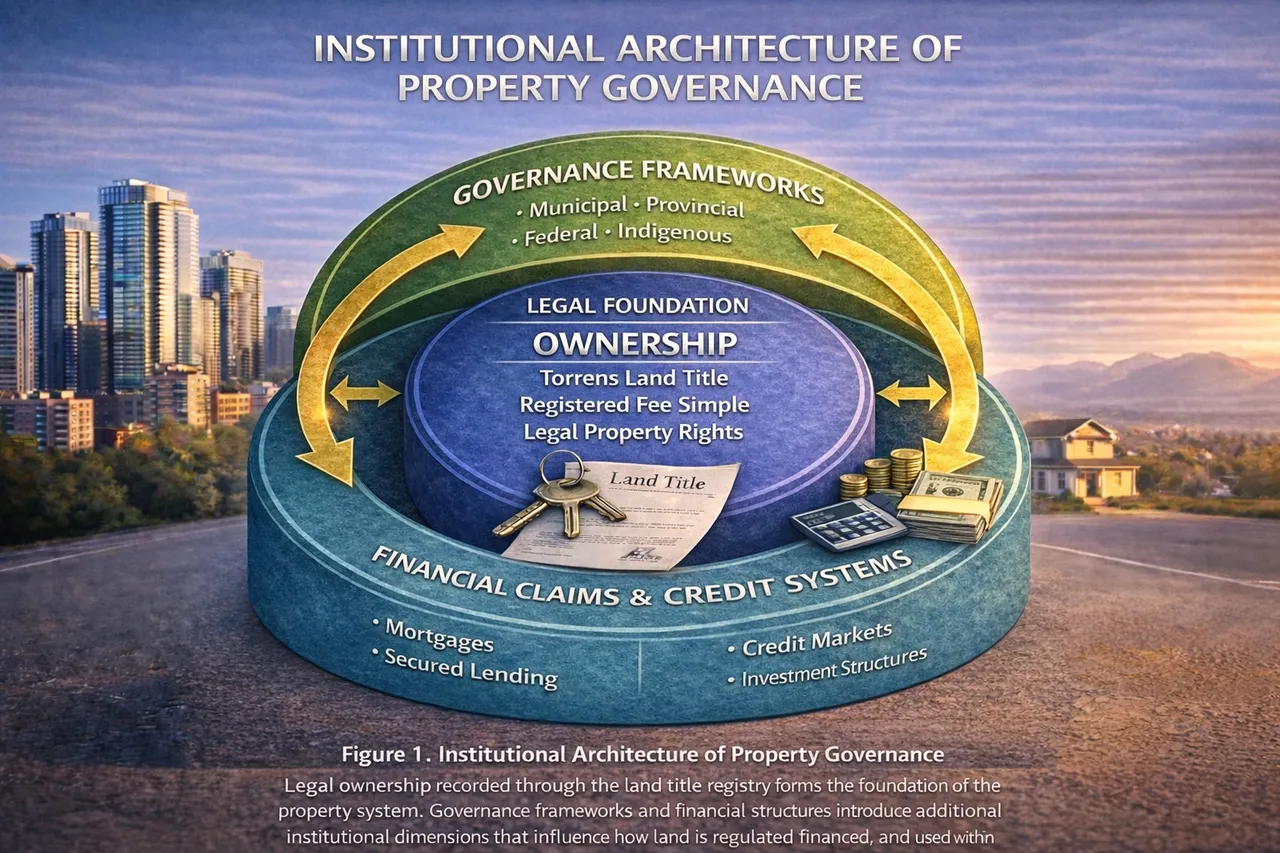
Figure 1. Institutional Architecture of Property Governance
Developments occurring in British Columbia provide a useful case study for examining how these institutional layers interact within a modern property system. In recent years, discussions within that province have increasingly focused on the relationship between land title systems, regulatory governance frameworks, and evolving constitutional considerations affecting land management. While the specific legal and governance structures in British Columbia are unique to that jurisdiction, the broader institutional dynamics reflected in these discussions are increasingly visible across many jurisdictions in Canada and the United States.
For landowners who intend to preserve property across generations, recognizing this layered structure is particularly important. Ownership recorded in a land registry establishes who holds legal title, but governance frameworks influence how land may be used and developed. Financial systems determine how land participates within credit markets and how leverage or debt obligations may affect the property. Changes in any one of these layers can influence the long-term resilience of land ownership.
Understanding this broader institutional environment allows landowners to move beyond a narrow view of property ownership and begin thinking strategically about how land assets operate within a complex governance and financial system. Families who intend to preserve land across generations must therefore consider how legal ownership structures, governance frameworks, and financial relationships interact within the broader property system. These structural realities form the foundation for a practical framework that can help landowners evaluate the long-term resilience of their land-based assets.
Institutional investors and large family enterprises increasingly evaluate land assets through similar structural lenses when assessing long-duration investments. Agricultural investment funds, timberland investment management organizations, and family offices managing land portfolios often examine legal ownership structures, regulatory governance, financing arrangements, succession risks, and jurisdictional policy environments when determining whether land assets can remain stable over multi-decade horizons. Although these assessments are often conducted internally within investment or advisory teams, the structural considerations involved closely mirror the dimensions examined within the Five Pillars framework.
The Five Pillars of Multigenerational Land Security™
Understanding the Structural Foundations of Long-Term Land Ownership
Once the broader institutional environment surrounding property ownership is understood, it becomes possible to examine the structural factors that influence whether land remains stable within a family enterprise over long periods of time. Families who intend to preserve land across generations must think beyond the legal title recorded in a land registry and consider how multiple institutional forces shape the long-term security of land ownership. Ownership provides the legal foundation of the system, but the durability of that ownership often depends on how landowners manage a series of interconnected structural factors that influence how property functions within the broader legal and economic environment.
Across Canada and the United States, many family enterprises are built around land-based assets that carry long time horizons. Agricultural operations, ranching businesses, forestry enterprises, and commercial real estate holdings often remain within families for decades and sometimes for generations. In these situations, land is not simply a short-term investment asset. Instead, it forms the economic platform upon which the continuity of the family enterprise depends. Because of this long time horizon, the long-term stability of land ownership depends not only on the current legal owner but also on the institutional conditions surrounding the property.
Experience across many jurisdictions suggests that the long-term resilience of land ownership is shaped by several recurring structural factors. Some families retain land for generations because these factors are carefully managed, while others lose land through financial stress, regulatory changes, succession conflicts, or unforeseen legal developments. Understanding these structural influences can therefore help landowners evaluate the resilience of their property holdings and make more informed decisions about long-term planning.
Advisors who work with land-based family enterprises frequently observe that the long-term stability of land ownership rarely depends on a single factor. Instead, the durability of land assets typically reflects the alignment of several structural elements surrounding the property, including ownership architecture, regulatory governance, financial exposure, succession design, and the broader jurisdictional environment. When one of these elements becomes misaligned, even well-established family enterprises may encounter pressures that threaten long-term continuity. Over time, these recurring patterns have led practitioners and researchers to evaluate land enterprises through a set of core structural dimensions.
These structural considerations can be organized into a practical framework referred to as The Five Pillars of Multigenerational Land Security™. In practical terms, the pillars represent five strategic decisions that every enterprise landowner ultimately makes, whether consciously through deliberate planning or indirectly through the structures already surrounding the property.
The framework identifies five interrelated dimensions that influence whether land ownership remains stable within a family enterprise across multiple generations. Each pillar represents a different institutional factor that shapes the long-term functioning of property ownership. When these pillars are well managed, land can remain a durable economic foundation for family enterprises. When weaknesses emerge within one or more of these pillars, the long-term resilience of land ownership may become vulnerable.
The Five Pillars at a Glance
The long-term stability of land ownership often depends on five interconnected structural dimensions:
-
- Ownership Structure: How land is legally held through individuals, corporations, partnerships, or trusts.
- Governance and Regulation: The regulatory frameworks that influence how land may be used, developed, or managed.
- Financial Exposure: How land participates within credit markets through mortgages, lending, and collateral arrangements.
- Succession Planning: The legal and family governance structures that guide the transfer of ownership between generations.
- Jurisdictional Risk: The broader legal and policy environment within which property systems evolve over time.
The Five Pillars framework is intended as an analytical tool rather than a predictive or policy model. It provides a structured way for landowners, policymakers, and researchers to examine how legal ownership structures, governance frameworks, financial relationships, succession planning, and jurisdictional developments interact within modern property systems. By examining how these pillars align within a particular jurisdiction or family enterprise, observers can better understand the institutional conditions that support the long-term stability of land ownership.
Together, these five pillars provide a framework for evaluating the long-term resilience of land ownership within family enterprises.
The framework extends the three-layer institutional model developed in the research paper “Property Governance Architecture in British Columbia,” translating that institutional analysis into a practical structure that landowners can use to evaluate long-term property stability.
The first pillar concerns the structure through which land is legally owned. Ownership structures influence taxation, liability exposure, and the ability to transfer property across generations. The second pillar involves governance and regulatory frameworks that influence how land may be used, developed, or managed. These frameworks shape the practical environment in which property owners operate. The third pillar relates to financial exposure, particularly the ways in which land participates in credit markets through mortgage lending and secured financing arrangements. The fourth pillar concerns succession planning and the legal structures through which ownership transitions between generations. The final pillar involves jurisdictional risk, including the evolving legal and policy frameworks that influence land governance over time.
Although these pillars apply broadly across many jurisdictions in Canada and the United States, developments occurring in British Columbia provide a useful case study illustrating how these institutional layers can interact within a modern property system. Legal developments, governance frameworks, and regulatory structures affecting land in that province have drawn attention to the ways in which ownership, governance, and financial systems interact in practice. While the specific legal context of British Columbia is unique, the structural dynamics reflected in these developments offer insights that may be relevant for landowners in other jurisdictions as property systems continue to evolve.
It is also important to recognize that these five pillars do not operate independently of one another. Instead, they interact continuously within the broader institutional environment surrounding property ownership. Ownership structures influence how succession planning can occur. Governance frameworks may influence land valuation and financing opportunities. Financial leverage may affect a family’s ability to navigate regulatory changes or economic downturns. Legal developments within the broader jurisdiction may influence how land governance evolves over time.
By examining land ownership through the lens of these five pillars, property owners can gain a clearer understanding of the structural forces that shape long-term land security. This framework does not replace the legal concept of ownership recorded in a land registry. Rather, it provides a practical way of understanding how ownership operates within a broader system of governance, finance, and intergenerational planning. For families seeking to preserve land across generations, recognizing how these pillars interact can provide valuable guidance when making decisions about ownership structures, financing arrangements, and long-term succession planning.
The sections that follow examine each of these pillars in greater detail, beginning with the legal structures through which land ownership is established and maintained. Understanding the structure of ownership is the first step in evaluating how land assets can remain stable within a family enterprise over the long term.
Pillar One: Ownership Structure
The Legal Framework Through Which Land Is Held
The first pillar influencing the long-term resilience of land ownership is the legal structure through which land is held. Across Canada and the United States, property ownership is formally recorded through land registration systems that identify the individual or entity holding legal title to a parcel of land. In Canada, provincial land title registries record ownership under systems derived from the Torrens model, which is designed to provide certainty regarding who holds title to property. In the United States, property ownership is generally documented through county-level deed recording systems that perform a similar function of establishing a public record of ownership.
These systems form the legal foundation upon which modern property markets operate. The individual or entity recorded as the owner of the property holds the legal rights associated with ownership, including the ability to occupy, transfer, sell, lease, or finance the property. This legal clarity allows real estate markets to function, enables financial institutions to rely on land as collateral within credit markets, and supports the transfer of property between generations through inheritance or sale.
Although the legal registry establishes who owns a particular property, the structure through which ownership is organized can significantly influence the long-term stability of that ownership. Land may be owned directly by an individual or a married couple, by a corporation, by a partnership, or through trust arrangements designed to manage property for the benefit of multiple beneficiaries. Each of these ownership structures carries different implications for taxation, liability exposure, succession planning, and long-term management of the asset.
Direct personal ownership is often the most common structure when property is first acquired. An individual or family may purchase land in their personal names and operate a farm, business, or residential property directly. This structure offers clarity and simplicity, particularly in the early stages of property ownership. However, as the value of land increases and additional family members become involved in the enterprise, direct ownership may expose the property to risks associated with personal liability, estate administration complexities, and fragmentation of ownership among heirs.
For this reason, many family enterprises transition toward more structured ownership arrangements as their land holdings grow. Corporate ownership structures are commonly used in both Canada and the United States for agricultural operations, commercial real estate enterprises, and family businesses that rely on land as a core asset. When property is held within a corporation, the corporation itself appears as the registered owner of the land while family members hold shares in the company. This structure can provide advantages related to liability protection, tax planning, and succession planning, since ownership can be transferred through the movement of shares rather than through repeated transfers of land title.
Trust arrangements are also widely used as tools for long-term land stewardship. In a trust structure, trustees hold legal title to property and manage the asset on behalf of beneficiaries identified in the trust agreement. Trusts can allow families to maintain centralized management of land while gradually transitioning economic benefits to future generations. These arrangements are particularly useful when families wish to avoid fragmentation of ownership among multiple heirs or when property is intended to remain under unified management across generations.
Partnership structures may also arise when multiple individuals jointly participate in land-based enterprises. Agricultural partnerships, ranching operations, and jointly held commercial properties may involve several individuals sharing both ownership and operational responsibilities. These arrangements can allow families to pool resources and coordinate the management of land-based assets, but they also require clear legal agreements governing decision-making authority and the transfer of ownership interests.
The choice of ownership structure therefore plays a critical role in determining how resilient land ownership will be over the long term. A structure that works well during the early stages of property acquisition may become less suitable as the property increases in value or as multiple generations become involved in the enterprise. Without thoughtful planning, ownership may become fragmented among numerous heirs or exposed to legal complications that make long-term stewardship more difficult.
Families who intend to preserve land across generations often review their ownership structures periodically to ensure that the legal framework supporting the property aligns with their long-term objectives. Decisions regarding whether land should remain in personal ownership, be transferred into corporate structures, or be managed through trust arrangements can influence taxation, governance, and the ease with which property can pass between generations.
Ownership structure therefore represents the first pillar of multigenerational land security. For the enterprise decision maker, this pillar determines who ultimately controls the asset and how that control can transition without fragmenting the economic integrity of the land enterprise. Establishing a clear and resilient legal framework through which land is held provides the foundation upon which all other aspects of long-term land stewardship must be built.
Pillar Two: Governance and Regulation
How Regulatory Frameworks Shape Land Use
The second pillar influencing the long-term stability of land ownership involves the governance and regulatory frameworks that shape how land may be used and managed. While legal ownership determines who holds title to a property, governance systems determine the conditions under which that property may be developed, modified, or used for economic activity. These regulatory frameworks exist in every modern property system and reflect the role that governments play in balancing private ownership with broader public interests such as environmental protection, infrastructure planning, and community development. For landowners, understanding how these governance systems operate is essential for evaluating how property can function within the broader regulatory environment.
Across North America, land governance typically occurs across multiple levels of government. In Canada, municipal governments exercise authority over land use planning within their local jurisdictions, while provinces administer broader land governance frameworks. In the United States, counties and municipalities perform similar roles, while state governments administer environmental and land management legislation. British Columbia provides a useful case study illustrating how these governance systems interact in practice.
Municipal governments exercise authority over land use planning within their local jurisdictions. Through zoning bylaws, development permits, and planning regulations, municipalities determine how land may be used for residential, commercial, industrial, or agricultural purposes. Zoning frameworks also regulate building density, building heights, subdivision rules, and development patterns within communities. These regulations influence the practical opportunities available to property owners, particularly when families are considering development projects, agricultural expansion, or changes in land use over time.
Provincial legislation introduces another layer of governance affecting property ownership. The Province of British Columbia administers a range of regulatory frameworks that influence how land may be used and managed. Environmental protection laws regulate activities that may affect wetlands, wildlife habitats, waterways, and sensitive ecosystems. Infrastructure planning rules guide the development of transportation corridors, utilities, and public works projects. The Agricultural Land Reserve establishes restrictions on non-agricultural development within designated farmland areas in order to preserve agricultural capacity for future generations. Each of these frameworks operates alongside the land title system and shapes the regulatory environment within which property owners make decisions regarding land use.
Federal legislation may also influence certain aspects of land governance. Federal laws governing fisheries protection, navigable waters, environmental assessments, and major infrastructure projects may affect land use in particular circumstances. Although federal involvement is typically limited to specific areas of constitutional jurisdiction, these laws can still influence how land development projects proceed when environmental or resource management issues arise.
In addition to these municipal, provincial, and federal frameworks, Indigenous governance systems are increasingly participating in discussions related to land and resource management within traditional territories. This participation most commonly occurs through consultation processes, negotiated agreements, or collaborative governance arrangements when government decisions may affect Aboriginal or treaty rights recognized under Canadian constitutional law.
Canadian constitutional law recognizes Aboriginal and treaty rights under Section 35 of the Constitution Act, 1982, and governments frequently engage with Indigenous nations through consultation processes or negotiated agreements when land use decisions may affect those rights. In some cases, collaborative governance arrangements involving environmental stewardship or regional planning frameworks may involve Indigenous participation in decision-making processes affecting land use.
It is important to recognize that these governance frameworks do not eliminate private property ownership. The registered owner listed on the land title registry continues to hold legal title to the property and retains the economic benefits associated with ownership. However, regulatory systems establish the conditions under which land may be used, developed, or modified. A property owner may therefore possess legal ownership of land while still being required to comply with zoning bylaws, environmental protections, agricultural land use restrictions, and other regulatory frameworks governing land management. These frameworks operate within the existing legal structure of property ownership and do not displace registered title.
For families seeking to preserve land across generations, governance frameworks can significantly influence long-term planning decisions. Regulatory restrictions may shape how land can be developed or subdivided. Environmental protections may affect agricultural practices or land improvements. Planning regulations may influence property valuations or the feasibility of certain projects. Because these governance systems evolve over time as governments respond to environmental concerns, infrastructure needs, and community planning objectives, property owners often need to monitor regulatory developments that may affect how their land can be used in the future.
Understanding governance frameworks, therefore, represents an essential component of long-term land stewardship. Ownership recorded in the land title registry establishes the legal foundation of property rights, but governance systems shape the practical environment within which those rights are exercised. Families who recognize how these regulatory frameworks influence land use are better positioned to navigate planning processes, anticipate regulatory changes, and make strategic decisions that support the long-term stability of their land-based enterprises.
Governance and regulation therefore form the second pillar of multigenerational land security. These governance frameworks influence not only how land may be used, but also how it is valued within financial markets and how its economic potential may evolve over time. While ownership determines who holds title to land, governance frameworks establish the regulatory landscape that influences how land can function within the broader economic and environmental system.
Pillar Three: Financial Exposure
How Land Participates Within Financial Systems
The third pillar influencing the long-term resilience of land ownership involves the financial relationships connected to property. In modern economies, land rarely exists as a purely independent asset held outside the financial system. Instead, real estate often functions as collateral within credit markets, supporting mortgage lending, operating loans, and other financing arrangements. These financial relationships allow landowners to access capital that can support agricultural production, business expansion, infrastructure investment, or property development. At the same time, the use of land as collateral introduces financial obligations that can influence the long-term stability of ownership if those obligations are not carefully managed.
Mortgage lending represents one of the most common ways in which financial institutions interact with property ownership. When land is purchased with borrowed funds, lenders typically register a mortgage or security interest against the title or deed of the property. This arrangement does not transfer ownership of the land to the lender. The borrower remains the legal owner and continues to occupy or use the property while making payments according to the terms of the loan agreement. However, the mortgage creates a legally enforceable financial claim against the property that may be exercised if the borrower fails to meet the repayment obligations associated with the loan. These claims are governed by contractual lending agreements and do not affect legal ownership unless enforcement mechanisms are triggered under the terms of those agreements.
For many landowners, particularly those operating farms, ranches, or family enterprises, financing arrangements extend beyond the initial purchase of the property. Land may serve as collateral for operating loans used to purchase equipment, livestock, or agricultural inputs. Commercial properties may support loans used to finance business expansion or infrastructure improvements. In some cases, property owners may refinance land assets to access capital that supports additional investments or financial planning strategies. These arrangements illustrate how real estate assets frequently participate within broader financial networks connected to banking systems and credit markets.
Access to financing can provide important opportunities for growth and investment. Borrowed capital may allow agricultural producers to expand acreage, improve infrastructure, or modernize equipment. Commercial property owners may use financing to develop buildings, improve rental properties, or undertake redevelopment projects that increase the value of the land. In this sense, financial systems play an important role in enabling land-based enterprises to grow and adapt over time.
At the same time, financial leverage introduces a level of exposure that must be carefully managed. When land is used as collateral, the stability of ownership becomes linked to the borrower’s ability to maintain financial obligations under changing economic conditions. Agricultural producers may face fluctuations in commodity prices, weather-related disruptions, or changes in input costs that affect cash flow. Commercial property owners may encounter shifts in rental markets or economic cycles that influence income stability. When debt obligations secured by land become difficult to service, the property itself may become vulnerable to financial stress.
Financial exposure can also arise from changes in interest rates, lending standards, or broader economic conditions affecting credit markets. Mortgage interest rates influence the cost of borrowing and can affect the affordability of loan payments over time. Lending institutions may adjust credit policies in response to economic conditions, affecting the availability of financing for property owners seeking to refinance or expand operations. These financial dynamics can influence how land assets are valued, financed, and managed within the broader property market.
For families seeking to preserve land across generations, the relationship between property ownership and financial leverage requires careful consideration. Borrowing against land may provide opportunities to expand operations or invest in productive improvements, but excessive leverage can create risks if economic conditions deteriorate or if family enterprises experience unexpected financial challenges. Maintaining a balanced financial structure that allows land to remain productive while avoiding unsustainable debt obligations can play an important role in supporting long-term land security.
Financial exposure also interacts with other structural elements of property ownership. Financing arrangements may influence succession planning decisions if heirs inherit both property assets and associated debt obligations. Regulatory frameworks affecting land use may influence property valuations that lenders rely upon when assessing collateral. Broader economic conditions may affect both the financial performance of land-based enterprises and the stability of credit markets supporting those enterprises.
Understanding how financial systems interact with property ownership therefore represents an essential component of long-term land stewardship. Land may remain legally owned by the registered title holder, but financial claims connected to mortgages or secured lending arrangements introduce additional institutional relationships affecting the property. Managing these financial relationships carefully can help ensure that land continues to support family enterprises rather than becoming a source of financial vulnerability.
Financial exposure therefore represents the third pillar of multigenerational land security. The financial structure surrounding land determines whether the asset remains resilient through economic cycles or becomes vulnerable to credit conditions, refinancing pressures, or shifts in capital markets. While ownership establishes who holds title to property and governance frameworks shape how land may be used, financial systems determine how land participates within credit markets and how debt obligations may influence the long-term stability of ownership.
Pillar Four: Succession Planning
Managing the Transition Between Generations
The fourth pillar influencing the long-term stability of land ownership involves succession planning and the legal structures through which property is transferred between generations. For many families, the intention to preserve land across generations represents one of the central motivations for holding property over long periods of time. Farms, ranches, family businesses, and land-based enterprises often represent decades of accumulated labour, investment, and stewardship. These assets frequently carry not only economic value but also cultural and family significance, making the transition between generations one of the most important moments in the long-term life cycle of land ownership.
In many cases, property ownership may pass from one generation to the next through inheritance when the owner of the land passes away. The property may be distributed according to the instructions contained in a will or through the legal procedures governing estate administration. While this process can appear straightforward, the transfer of land through an estate can involve significant legal and financial complexity. Probate procedures, estate taxes, and the division of assets among multiple heirs may introduce delays or disagreements that complicate the transition of ownership. In some situations, heirs may inherit property with differing financial circumstances or priorities, which can create challenges regarding how the land should be managed or whether it should be retained or sold.
For family enterprises built around land ownership, these challenges can become particularly significant. Agricultural operations, for example, often depend on continuity of management and long-term investment in land improvements, equipment, and infrastructure. If ownership becomes divided among several heirs who do not share a common vision for the future of the enterprise, the operational stability of the property may be affected. One heir may wish to continue farming or managing the land, while another may prefer to liquidate the property in order to access the financial value of their inheritance. Without a clear governance structure guiding these decisions, the long-term stability of the land asset may become vulnerable.
For this reason, many families who intend to preserve land across generations develop formal succession plans that address both legal ownership and the practical management of the property. Succession planning may involve gradually transferring operational responsibilities to younger family members while senior generations remain involved in oversight and decision-making. Legal structures such as family trusts, corporate ownership arrangements, or partnership agreements may be used to maintain unified control over the property while allowing multiple family members to participate in the enterprise.
Tax considerations often play a significant role in succession planning involving land assets. Transfers of property between generations may trigger capital gains taxes, estate taxes, or other financial obligations depending on the jurisdiction and the structure through which ownership is transferred. In both Canada and the United States, certain tax provisions may allow family enterprises to transfer property between generations under specific conditions, particularly when the land is actively used in agricultural or business operations. However, these provisions often require careful planning and professional guidance to ensure that the transfer is structured appropriately.
In addition to legal and financial considerations, succession planning also involves family governance. Land ownership can carry emotional significance for families, particularly when property has been held for several generations. Discussions regarding succession may raise questions about fairness among siblings, expectations regarding future management of the property, and the roles that different family members will play in maintaining the enterprise. Clear communication and well-defined governance structures can help families navigate these conversations and reduce the risk of misunderstandings or conflicts that might destabilize long-term ownership.
When succession planning is approached thoughtfully and well in advance of any ownership transition, families are often better positioned to preserve the stability of their land-based enterprises. Early planning allows time to align ownership structures, financial arrangements, and family expectations in ways that support the continued stewardship of the property. It can also provide younger generations with opportunities to develop the skills and experience necessary to manage land assets responsibly.
Conversely, when succession issues remain unresolved until late stages of life, ownership transitions may occur under circumstances that are less predictable and more vulnerable to conflict or financial pressure. Estate administration may force rapid decisions regarding property division, and financial obligations associated with taxation or debt may create incentives to sell land that families had intended to preserve.
Succession planning therefore represents a crucial pillar of multigenerational land security. For enterprise families, the structure of succession planning often determines whether land remains an integrated economic platform or becomes divided into separate financial interests across heirs. While legal ownership recorded in a land registry establishes who holds title at any given time, succession planning determines how that ownership will transition over time. Families who address succession planning early and thoughtfully are far more likely to preserve continuity of land ownership and maintain the economic stability of land-based enterprises across generations.
For families who view land as a long-term asset rather than a short-term investment, succession planning becomes an essential component of responsible land stewardship.
Pillar Five: Jurisdictional Risk
The Legal Environment Surrounding Property Ownership
The fifth pillar influencing the long-term resilience of land ownership involves the broader legal and policy environment within which property systems operate. Land ownership does not exist in isolation from the jurisdiction in which it is located. Laws governing property rights, environmental regulation, taxation, land use planning, and constitutional governance evolve over time as legislatures, courts, and regulatory institutions respond to changing social, economic, and environmental conditions. These developments can influence how land is governed and how property owners interact with the legal system. For families intending to preserve land across generations, understanding the jurisdictional environment in which property ownership operates is therefore an important component of long-term planning.
Across Canada and the United States, property ownership is generally anchored in legal systems that recognize private ownership of land and provide registries or recording systems through which ownership is documented. These systems form the legal foundation supporting property markets, mortgage lending, and the transfer of land between individuals or generations.
In Canada, land title systems operating under Torrens-style registration are specifically designed to provide a high degree of legal certainty regarding ownership, allowing purchasers and lenders to rely on the public registry as authoritative evidence of title. The stability of these registries plays a central role in maintaining confidence in real estate markets and allowing financial institutions to rely on land as collateral within credit systems.
At the same time, property systems exist within broader constitutional and legislative frameworks that influence how land governance evolves over time. Governments may introduce legislation addressing environmental protection, infrastructure planning, natural resource management, taxation policy, and regional development. Courts may interpret constitutional provisions affecting land governance, particularly when disputes arise regarding regulatory authority, environmental obligations, or Indigenous rights. These legal developments do not eliminate private property ownership, but they can shape the governance environment within which property owners operate. In most cases, these developments occur within established legal frameworks rather than through the replacement of private property rights.
Developments occurring in British Columbia provide a useful case study illustrating how these jurisdictional dynamics can emerge within a modern property system. In recent years, legal and policy discussions in that province have examined the relationship between land title systems, environmental governance, and constitutional recognition of Indigenous rights. Legislation such as the Declaration on the Rights of Indigenous Peoples Act reflects efforts by governments to align public policy with broader legal principles recognizing Indigenous participation in decisions affecting land and resources.
While the specific legislative framework in British Columbia is unique to that jurisdiction, the broader institutional dynamics reflected in these developments are not limited to one province or state. Across North America, governments increasingly face questions about how property governance interacts with environmental policy, infrastructure development, and constitutional rights. Court decisions interpreting these frameworks may influence how regulatory authority is exercised and how land use decisions are evaluated within the broader legal system.
Tax policy represents another dimension of jurisdictional risk that may affect long-term land ownership. Governments periodically adjust taxation frameworks affecting capital gains, estate transfers, property taxes, and agricultural exemptions. These changes can influence how land is valued, financed, and transferred between generations. Families who intend to preserve land across long time horizons often monitor changes in tax policy to understand how future property transfers or ownership structures may be affected.
Jurisdictional risk, therefore, does not imply that property ownership is unstable or that legal systems supporting land ownership are disappearing. Private ownership of land remains a foundational element of both Canadian and American legal systems, supported by well-established land registration frameworks and judicial recognition of property rights.
However, the regulatory and constitutional environment surrounding property ownership can evolve over time, particularly as governments respond to environmental challenges, economic development pressures, and broader societal priorities.
For families seeking to preserve land across generations, awareness of this evolving legal environment can support more informed long-term decision making. Monitoring legislative developments, court decisions, and policy changes can help property owners anticipate how governance frameworks may influence land management in the future. This awareness can also support strategic planning regarding ownership structures, financial arrangements, and succession strategies that allow land assets to remain stable over long time horizons.
Jurisdictional risk therefore represents the fifth pillar of multigenerational land security. Changes in legal frameworks, regulatory policy, or constitutional interpretation can gradually reshape the environment in which land assets operate, influencing long-term ownership assumptions made decades earlier. While ownership structures establish who holds title, governance frameworks regulate land use, financial systems influence how land participates within credit markets, and succession planning guides the transition of ownership between generations, the broader jurisdictional environment shapes the legal context within which all of these elements operate.
The Interaction Between the Five Pillars
Understanding Property Systems as Interconnected Structures
Although each pillar of multigenerational land security represents a distinct dimension of property ownership, these pillars rarely operate independently in practice. For the individual responsible for safeguarding the family enterprise balance sheet, the interaction between these pillars ultimately determines whether land assets remain stable platforms for long-term wealth or become vulnerable to structural pressure.
Modern property systems function through the interaction of legal ownership structures, governance frameworks, financial relationships, succession planning strategies, and the broader jurisdictional environment. Decisions affecting one pillar often influence the others, creating a network of institutional relationships that shape the long-term stability of land ownership. For families seeking to preserve land across generations, understanding how these pillars interact can provide a clearer perspective on the strategic decisions that influence the future of land-based enterprises.
Ownership structures, for example, often influence the effectiveness of succession planning. Land held directly in personal ownership may pass through estate administration processes that involve probate procedures, taxation considerations, and the potential division of property among multiple heirs. By contrast, land held through corporate structures, trusts, or partnership arrangements may allow ownership interests to transition through the transfer of shares or beneficial interests rather than through repeated transfers of land title. These legal structures can simplify intergenerational transitions and maintain unified management of the property. The design of the ownership structure therefore influences how succession planning can be implemented and how smoothly property can move from one generation to the next.
Governance frameworks also interact closely with financial considerations. Regulatory systems that shape land use decisions may influence the economic value of property and the willingness of financial institutions to provide lending secured against land assets. Zoning regulations, environmental protections, agricultural land policies, and infrastructure planning decisions can all affect property valuations and development opportunities. Financial institutions rely on these valuations when assessing collateral for mortgage lending or other forms of secured financing. Changes in governance policies may therefore influence the financial strategies available to property owners.
Financial exposure can also interact with succession planning decisions. If land assets carry significant debt obligations, heirs inheriting those assets must be able to sustain the financial commitments associated with the property. In some cases, families may need to restructure financing arrangements before transferring ownership in order to ensure that the next generation can manage the financial responsibilities associated with the land. Without such planning, debt obligations combined with tax liabilities or operational costs may create financial pressures that encourage the sale of property that families had originally intended to preserve.
Jurisdictional developments can influence how all of the other pillars operate. Legislative changes, court decisions interpreting constitutional provisions, or evolving governance agreements may affect regulatory frameworks governing land use and resource management. These developments may in turn influence property valuations, financing conditions, or long-term planning strategies for families who intend to retain land over extended periods of time. While land registries or deed recording systems continue to define legal ownership, the broader legal environment can shape how property functions within the larger governance system.
These interactions illustrate an important principle of modern property systems. The stability of land ownership rarely depends on ownership alone. Instead, long-term land security often depends on the alignment of multiple institutional factors that influence how property operates within the broader economic and legal environment. Families who successfully preserve land across generations frequently do so by coordinating ownership structures, financial planning, governance awareness, and succession strategies in ways that support the long-term continuity of the enterprise.
Conversely, weaknesses within one pillar can create pressures that affect the others. Excessive financial leverage may complicate succession planning. Regulatory changes may influence property valuations and financing options. Fragmented ownership structures may create governance challenges when multiple heirs inherit undivided interests in land. Recognizing these potential interactions allows landowners to address structural vulnerabilities before they develop into situations that threaten long-term ownership.
Viewing property ownership through the lens of these interacting pillars therefore provides a more complete understanding of how modern land systems function. Land ownership remains anchored in the legal title recorded through land registries or deed records, but the long-term resilience of that ownership depends on how these additional institutional layers are managed over time.
For families seeking to preserve land across generations, the Five Pillars framework offers a practical way to evaluate the structural strengths and potential vulnerabilities affecting their property holdings. By examining how ownership structures, governance frameworks, financial relationships, succession planning strategies, and jurisdictional developments interact within the broader property system, landowners can make decisions that support long-term continuity and stability.
Conclusion: Long-Term Stewardship of Land
Long-Term Stewardship of Land in an Evolving Institutional Environment
Land ownership has long played a central role in the economic and social development of communities throughout Canada and the United States. Farms, ranches, family businesses, and privately held land assets form the foundation of many family enterprises throughout North America. For generations, families have relied on land not only as a source of income but also as a store of wealth, a place of residence, and a legacy intended to support future generations. The durability of land as an asset has contributed to its enduring role within agricultural regions, rural communities, and family enterprises across the continent.
At the same time, modern property ownership operates within a complex institutional environment shaped by legal, regulatory, financial, and constitutional frameworks. Land registries and deed recording systems continue to define legal ownership and provide the certainty necessary for property markets and mortgage lending systems to function effectively. Surrounding this ownership framework, however, are governance systems that regulate land use, financial institutions that integrate real estate into credit markets, and evolving legal frameworks that influence land governance within broader constitutional systems.
For families intending to preserve land across generations, understanding this broader institutional landscape has become increasingly important. Ownership recorded in a land registry establishes who holds title to the property, but the long-term resilience of land ownership often depends on additional structural factors that influence how land functions within the broader system. Governance frameworks shape how land may be used and developed. Financial relationships affect how land participates within credit markets. Succession planning determines how ownership transitions between generations. Jurisdictional developments influence the legal and regulatory environment within which property systems evolve.
The Five Pillars of Multigenerational Land Security™ provide a framework through which landowners can examine these structural factors in a practical and accessible way. For those responsible for approving major capital commitments within family enterprises, the framework offers a structured lens through which to evaluate whether the legal, financial, governance, and jurisdictional architecture surrounding land supports long-term continuity. By evaluating ownership structures, governance frameworks, financial exposure, succession planning strategies, and the broader jurisdictional environment, families can gain a clearer understanding of the forces shaping the long-term stability of their land assets. This framework does not replace the legal foundations of property ownership but instead offers a broader perspective on how those foundations operate within the institutional environment surrounding modern land systems.
Developments occurring in British Columbia illustrate how discussions surrounding property governance, environmental policy, and constitutional considerations may interact within a modern property system. While the legal and regulatory frameworks in that province are unique to its jurisdiction, the broader institutional dynamics reflected in those developments highlight questions that are increasingly relevant across many regions of North America. As governments, courts, and financial systems respond to changing economic and environmental conditions, landowners in many jurisdictions may encounter similar questions regarding how property governance evolves over time.
For many families, the objective of land ownership is not simply to hold property for the present generation but to preserve it as a productive and stable asset for future generations. Achieving this objective requires thoughtful planning, awareness of regulatory and legal developments, and careful management of financial and ownership structures. Families that retain land across multiple generations rarely do so by chance; continuity is usually the result of deliberate decisions about ownership structures, governance frameworks, financial exposure, and succession planning.
Land remains one of the most durable forms of wealth within modern economies, but its long-term stability depends on how the institutional environment surrounding property ownership evolves over time. The legal foundation of property ownership remains stable, while the systems surrounding it continue to adapt and develop over time.
Governments, courts, financial institutions, and landowners each play a role in shaping this environment. By understanding how the structural pillars of property governance interact, families can make informed decisions that support the continued stewardship of land and the preservation of land-based enterprises across generations.
In this way, land ownership becomes more than a legal relationship recorded in a registry. It becomes part of an evolving institutional system in which legal rights, governance structures, financial systems, and intergenerational planning interact to shape the long-term stability of land-based enterprises.
Applying the Five Pillars Framework
Landowners, family enterprises, and agricultural producers who wish to preserve land across generations may benefit from examining their own property structures through the Five Pillars framework introduced in this article.
Evaluating how ownership structures, governance frameworks, financial exposure, succession planning, and jurisdictional developments interact within a particular property system can provide valuable insight into the long-term resilience of land assets.
Families intending to retain land over extended time horizons may find it useful to periodically review these structural dimensions with qualified legal, financial, and planning professionals in order to ensure that ownership structures, financing arrangements, and succession strategies remain aligned with long-term stewardship objectives.
Understanding how these institutional forces interact is an important first step in supporting the continuity of land-based enterprises across generations.

About the Authors
Adrian C. Spitters is a veteran private wealth advisor with more than thirty-eight years of experience in risk management, long-term financial planning, and asset protection. Raised on a dairy farm in British Columbia’s Fraser Valley, he brings a grounded understanding of land stewardship and the economic pressures facing Canadian families. Adrian advises business owners, professionals, and farm families on practical strategies to safeguard their wealth from financial, legislative, and global-system risks. His work integrates strategic planning with real-world insight from decades in the financial sector. Read Adrian C. Spitters’ full biography here.
Peter J. Merrick is an international speaker and educator in the fields of succession, pension, and wealth preservation. He has spent more than three decades advising business owners, professionals, and family enterprises on how to structure, protect, and transition wealth across generations. His work blends technical expertise with clear, accessible guidance that helps Canadians prepare for economic and legislative uncertainty. Peter has authored multiple bestselling books and continues to contribute to national discussions about financial resilience and sovereignty. Read Peter J. Merrick’s full biography here.
Note on Sources
This article draws upon the institutional analysis presented in the research paper “Property Governance Architecture in British Columbia” by Adrian C. Spitters, CFP® and Peter J. Merrick, TEP®. The Five Pillars of Multigenerational Land Security™ framework presented here is intended as a practical extension of that institutional analysis for landowners, family enterprises, and agricultural producers across North America.
References and Further Reading
- North, Douglass C. Institutions, Institutional Change and Economic Performance. Cambridge: Cambridge University Press, 1990.
- North, Douglass C. Understanding the Process of Economic Change. Princeton University Press, 2005.
- Coase, Ronald H. “The Problem of Social Cost.” Journal of Law and Economics 3 (1960): 1–44.
- Demsetz, Harold. “Toward a Theory of Property Rights.” American Economic Review 57, no. 2 (1967): 347–359.
- Alchian, Armen A., and Harold Demsetz. “Production, Information Costs, and Economic Organization.” American Economic Review 62, no. 5 (1972): 777–795.
- Libecap, Gary D. Contracting for Property Rights. Cambridge University Press, 1989.
- Barzel, Yoram. Economic Analysis of Property Rights. Cambridge University Press, 1997.
- Ellickson, Robert C. Order Without Law: How Neighbors Settle Disputes. Harvard University Press, 1991.
- Ostrom, Elinor. Governing the Commons. Cambridge University Press, 1990.
- Bromley, Daniel W. Environment and Economy: Property Rights and Public Policy. Blackwell, 1991.
- Cooter, Robert, and Thomas Ulen. Law and Economics. Pearson.
- Simpson, S. Rowton. Land Law and Registration. Cambridge University Press, 1976.
- McLaren, John P. S. Land Law and Registration in British Columbia. Continuing Legal Education Society of British Columbia.
- Ziff, Bruce. Principles of Property Law. Toronto: Thomson Reuters.
- Borrows, John. Canada’s Indigenous Constitution. University of Toronto Press, 2010.
- Slattery, Brian. “Aboriginal Rights and the Honour of the Crown.” Supreme Court Law Review.
- Newman, Dwight. Revisiting the Duty to Consult Aboriginal Peoples. Purich Publishing.
- Hogg, Peter W., and Wade K. Wright. Constitutional Law of Canada. 5th ed. Toronto: Thomson Reuters (Carswell), 2007–present (loose-leaf, supplemented).
- Canada. Constitution Act, 1982, being Schedule B to the Canada Act 1982 (UK), 1982, c. 11, s. 35.
- R v. Sparrow, [1990] 1 SCR 1075 (Supreme Court of Canada).
- Delgamuukw v. British Columbia, [1997] 3 SCR 1010 (Supreme Court of Canada).
- Haida Nation v. British Columbia (Minister of Forests), 2004 SCC 73.
- Tsilhqot’in Nation v. British Columbia, 2014 SCC 44.
- Gitxaala Nation v. British Columbia (Chief Gold Commissioner), 2023 BCCA 168.
- Cowichan Tribes v. British Columbia, 2023 BCSC 1478 (Supreme Court of British Columbia).
- United Nations. United Nations Declaration on the Rights of Indigenous Peoples. GA Res 61/295 (2007).
- British Columbia. Declaration on the Rights of Indigenous Peoples Act, SBC 2019, c. 44.
- British Columbia. Interpretation Act, RSBC 1996, c. 238.
- Government of British Columbia. Agricultural Land Commission Act.
- Land Title Act, RSBC 1996, c. 250.
- Land Title and Survey Authority of British Columbia. Business Plan 2022–2025.
- Land Title and Survey Authority Act, SBC 2004, c. 66.
- British Columbia Ministry of Indigenous Relations and Reconciliation. DRIPA Implementation Framework.
- Government of British Columbia. Land Owner Transparency Registry.
This analysis draws upon publicly available legislation, judicial decisions, institutional reports, and academic research concerning property law, governance frameworks, and land administration in British Columbia.